

Frozen pipes are one of the most expensive and stressful winter problems homeowners face. A single burst pipe can flood your home within minutes and lead to costly repairs. The good news? Pipes rarely freeze without warning. If you know what signs to watch for, you can act quickly and prevent serious damage.
In this expert guide, you’ll learn the early clues your pipes are close to freezing, what temperature puts your plumbing at risk, and exactly what to do when every minute counts.
What Temperature Do Pipes Freeze?
Let’s start with the question most homeowners ask first.
Pipes typically begin to freeze when temperatures drop to 32°F (0°C).
However, the real danger zone is:
- 20°F (-6°C) or lower: High risk of frozen pipes
- Below 0°F (-18°C): Pipes can freeze quickly, especially if unprotected
But temperature alone doesn’t tell the whole story. Pipes freeze faster when:
- They are in unheated areas (attics, basements, garages)
- They lack insulation
- Cold winds penetrate walls
- Water flow is minimal or stopped
👉 Important: Even if the outdoor temperature is slightly above freezing, poorly insulated pipes can still freeze.
Why Frozen Pipes Are So Dangerous
When water freezes, it expands. Inside your plumbing, that expansion creates intense pressure. Eventually, the pipe cracks or bursts.
Many homeowners assume the ice itself causes the leak. In reality:
- Ice blocks the pipe
- Pressure builds behind the blockage
- The pipe splits
- When the ice melts, water floods out
This is why acting early is critical.
Early Warning Signs Your Pipes Are Close to Freezing
Below are the most reliable clues that your plumbing is in danger. Don’t ignore them — they often appear hours or even days before a pipe fully freezes.
1. Weak Water Flow From Faucets
One of the earliest red flags is reduced water pressure.
What you might notice:
- Faucet trickles instead of flowing normally
- Shower pressure drops suddenly
- Water sputters or pulses
This usually means ice has started forming inside the pipe, narrowing the water passage.
Act fast. At this stage, you may still prevent a full freeze.
2. Frost on Visible Pipes
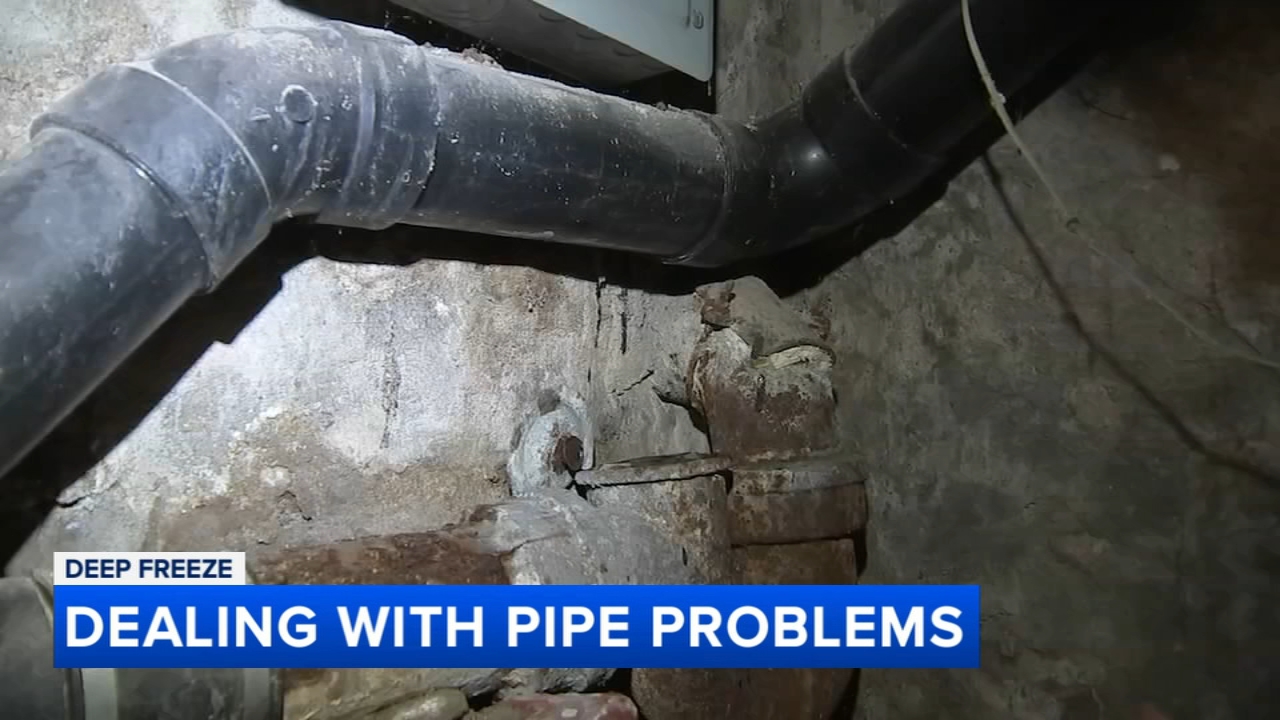
If you can see your pipes, inspect them during cold weather.
Warning signs include:
- White frost coating
- Ice crystals forming
- Pipe surface feels extremely cold
- Condensation that quickly freezes
Frost is a strong indicator that the pipe temperature is approaching freezing.
3. Strange Smells From Faucets or Drains
This surprises many homeowners.
When a pipe starts to freeze, ice can partially block the line. That blockage may push odors back up through the drain.
Watch for:
- Musty smells
- Sewer-like odors
- Unusual drain smells in cold weather
While smells alone don’t confirm freezing, they can be an early clue when combined with cold temperatures.
4. Unusual Noises in the Plumbing
Pipes under freezing stress often make sounds.
Listen for:
- Banging
- Whistling
- Gurgling
- Clanking inside walls
These noises can happen when:
- Ice begins restricting water flow
- Pressure builds
- Water struggles to pass through narrow sections
If you hear new plumbing noises during a cold snap, investigate immediately.
5. No Water Coming From a Faucet
This is a serious warning sign.
If you turn on a faucet and nothing comes out:
- The pipe may already be frozen
- Ice may be fully blocking the line
- Pressure could be building behind the blockage
Do not wait. At this stage, the risk of bursting increases quickly.
6. Bulging or Cracked Pipes

If you can access exposed plumbing, check for physical damage.
Danger signs:
- Pipe looks swollen
- Visible cracks
- Small leaks
- Warped pipe shape
A bulging pipe is extremely close to bursting. Immediate action is critical.
7. Indoor Temperature Drops in Certain Areas
Frozen pipes often occur where warm air isn’t reaching.
Pay attention to:
- Cold spots near walls
- Freezing cabinets under sinks
- Chilly basements or crawl spaces
- Drafty attic plumbing areas
If a room feels much colder than the rest of the house, pipes there may be at risk.
High-Risk Areas Where Pipes Freeze First
Not all plumbing freezes at the same rate. Focus your inspections on these vulnerable locations:
Most common freeze zones
- Exterior walls
- Unheated basements
- Crawl spaces
- Attics
- Garages
- Kitchen and bathroom cabinets on outside walls
Older homes are especially vulnerable because they often have less insulation.
How Fast Can Pipes Freeze?
Many people underestimate the speed.
Under harsh conditions:
- Pipes can start freezing in 6–8 hours below 20°F
- Poorly insulated pipes may freeze overnight
- Exposed pipes in extreme cold can freeze in just a few hours
Wind chill and drafts make freezing happen faster.
What to Do Immediately if You Suspect Freezing
Time matters. Follow these steps in order.
Step 1: Turn On the Faucet
Open the faucet connected to the suspected frozen pipe.
Why this helps:
- Relieves pressure
- Allows melting ice to escape
- Reduces burst risk
Use both hot and cold taps if possible.
Step 2: Apply Gentle Heat
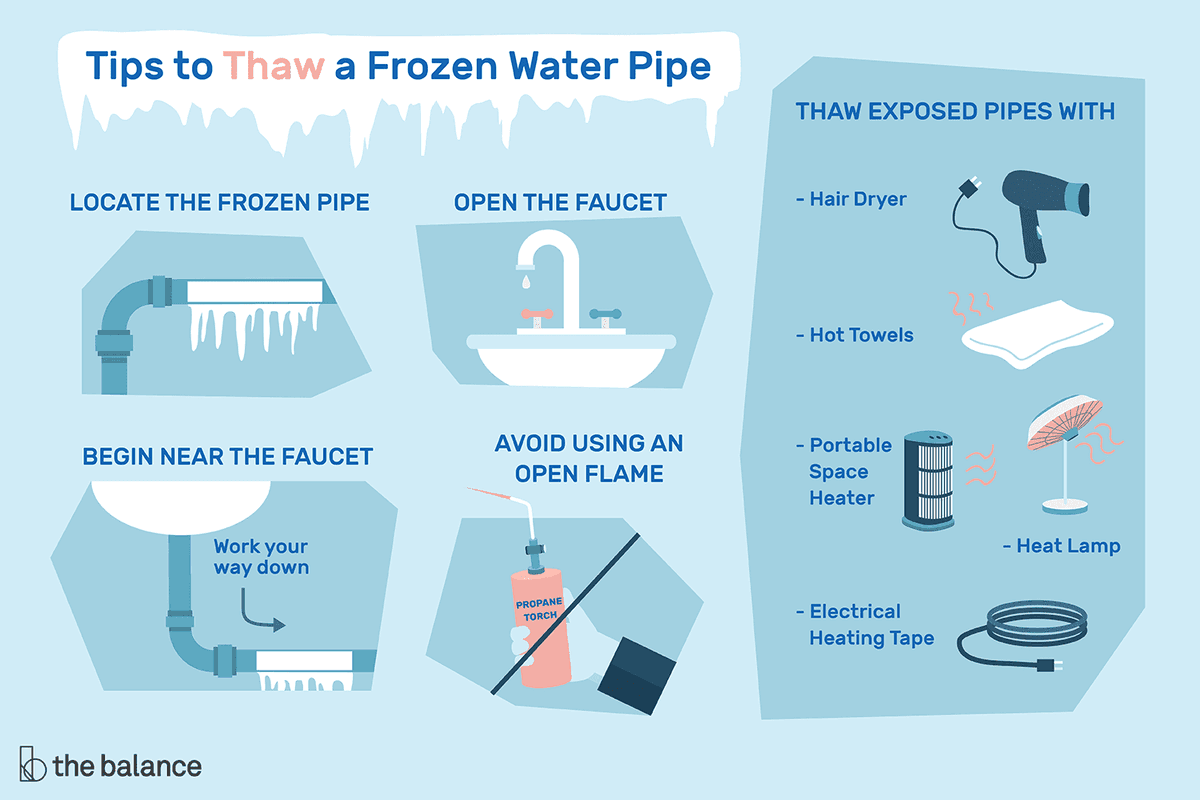
Slow, steady heat is safest.
Safe thawing methods:
- Hair dryer
- Heating pad
- Warm towels
- Space heater (kept at safe distance)
Start near the faucet and work backward toward the frozen section.
❌ Never use these dangerous methods:
- Open flame
- Blowtorch
- Propane heater
- Charcoal heater
These can cause fires or damage the pipe.
Step 3: Warm the Surrounding Area
Raise the temperature around the pipe.
Helpful actions:
- Open cabinet doors
- Turn up home heating
- Seal drafts temporarily
- Use a fan to circulate warm air
Even small temperature increases can stop freezing.
Step 4: Check for Leaks After Thawing
Once water starts flowing again, inspect carefully.
Look for:
- Damp spots
- Small drips
- Hairline cracks
- Water stains
Sometimes pipes crack but don’t leak until pressure returns.
Step 5: Shut Off Water if a Pipe Bursts
If you see water spraying or leaking heavily:
Immediately:
- Turn off the main water valve
- Shut off electricity near flooding
- Call a plumber
- Begin water cleanup
Quick action limits damage.
How to Prevent Pipes From Freezing (Best Practices)
Prevention is always cheaper than repair.
Insulate Exposed Pipes
Pipe insulation is one of the most effective protections.
Focus on:
- Basement pipes
- Crawl spaces
- Garage plumbing
- Exterior wall pipes
Foam sleeves are inexpensive and easy to install.
Let Faucets Drip During Extreme Cold
A slow drip keeps water moving.
Moving water freezes much slower than still water.
Best practice:
- Slight drip overnight
- Especially for pipes on exterior walls
- Both hot and cold lines if possible
Keep Cabinet Doors Open
Warm air needs to reach pipes under sinks.
During cold snaps:
- Open kitchen cabinets
- Open bathroom vanities
- Remove items blocking airflow
This simple step prevents many freezes.
Seal Cold Air Leaks
Cold drafts dramatically increase freezing risk.
Check for gaps around:
- Pipe entry points
- Windows
- Foundation cracks
- Garage doors
Use caulk or weatherstripping where needed.
Maintain Indoor Heat
Never let your home get too cold.
Recommended minimum:
👉 Keep indoor temperature at least 55°F (13°C) even when away.
Vacation homes are especially vulnerable.
When to Call a Professional Plumber
DIY thawing works in many cases, but call a plumber if:
- You cannot locate the frozen section
- The pipe is already cracked
- Multiple fixtures have no water
- The frozen area is inside a wall
- You smell burning during thawing
Professionals have safe equipment like pipe-thawing machines.
Quick Emergency Checklist
If temperatures are dropping fast, remember this:
✅ Check exposed pipes
✅ Open faucets slightly
✅ Warm vulnerable areas
✅ Insulate where possible
✅ Monitor water pressure
✅ Act immediately at first warning sign
Speed makes the difference between a minor inconvenience and a major flood.
Final Thoughts
Frozen pipes rarely happen without warning. Weak water flow, frost on pipes, strange noises, and sudden temperature drops inside your home are all signals you should never ignore.
Remember the key temperature rule:
- 32°F (0°C): Freezing begins
- 20°F (-6°C) or lower: High danger
- Below 0°F (-18°C): Pipes can freeze quickly
The moment you notice early signs, act fast. A few minutes of prevention can save thousands in water damage repairs.
Want a quick printable winter pipe checklist or a homeowner prevention schedule? I can create one for you.
[…] Lower material costs due to small square footage […]