

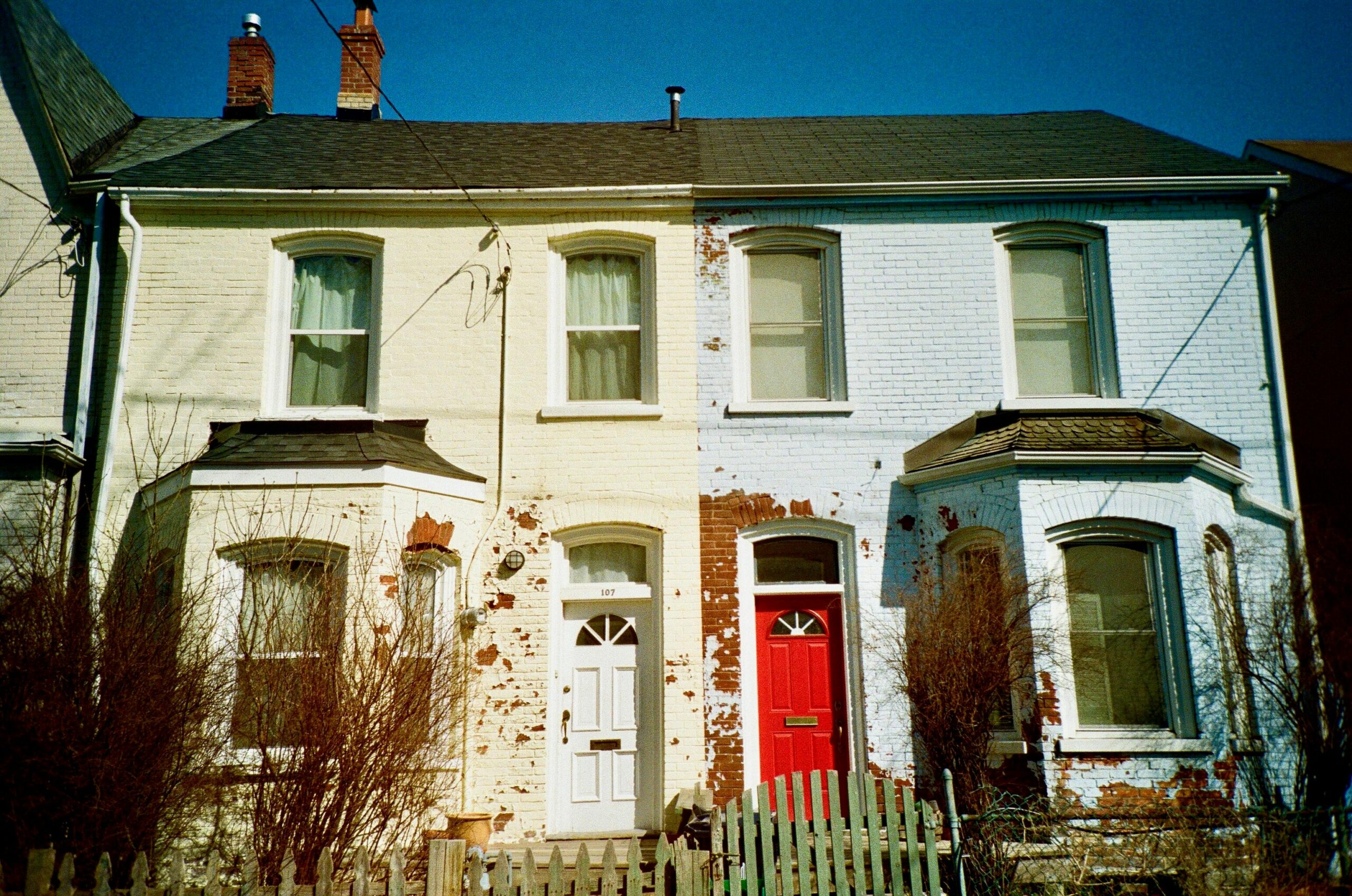
Choosing the direction your house face is one of the most overlooked yet important decisions in home planning. It affects natural light, energy efficiency, comfort, resale value, and even your daily mood.
Many homeowners only think about layout, design, and materials. But direction quietly influences how your home feels every single day.
This guide explains everything in a clear, practical way—so you can make a smart, informed decision.
Why House Direction Matters
House orientation is not just a traditional or cultural idea—it has real, measurable effects.
1. Natural Light and Comfort
The direction your home faces determines how sunlight enters your rooms. This impacts:
- Brightness during the day
- Heat levels inside the home
- Mood and productivity
A well-oriented home feels open, warm, and inviting without relying heavily on artificial lighting.
2. Energy Efficiency
Your house direction affects how much heating or cooling you need.
- Proper sunlight reduces electricity usage
- Good airflow lowers cooling costs
- Poor orientation increases energy bills
In hot regions, this becomes even more important.
3. Ventilation and Airflow
Wind direction matters. A well-facing house allows cross-ventilation, which:
- Improves indoor air quality
- Keeps rooms fresh
- Reduces humidity
4. Resale Value
In many regions, certain house directions are more desirable. Buyers often consider:
- Sunlight exposure
- Cultural beliefs
- Climate comfort
Choosing the right direction can increase property value.
Understanding Cardinal Directions
Before deciding, you need to understand the four main directions:
- North
- South
- East
- West
Each has its own advantages and drawbacks depending on your location.
East-Facing Houses
What It Means
An east-facing house gets direct sunlight in the morning.
Benefits
- Bright, natural morning light
- Cooler afternoons
- Energy savings in warmer climates
- Ideal for early risers
Morning sunlight is soft and healthy. It helps regulate sleep cycles and improves mood.
Drawbacks
- Less sunlight in the evening
- Rooms may feel cooler later in the day
Best For
- Hot climates
- People who prefer mornings
- Families wanting balanced daylight
West-Facing Houses
What It Means
A west-facing house receives strong sunlight in the afternoon and evening.
Benefits
- Warm interiors in the evening
- Ideal for colder regions
- Bright living spaces later in the day
Drawbacks
- Excess heat in hot climates
- Higher cooling costs
- Glare during sunset
Best For
- Cold or mild climates
- People active in the evening
North-Facing Houses
What It Means
A north-facing house receives indirect sunlight throughout the day.
Benefits
- Consistent, soft lighting
- No harsh sunlight
- Ideal for studios and offices
This direction is often preferred for steady lighting conditions.
Drawbacks
- Less warmth in winter
- Can feel cooler overall
Best For
- Workspaces
- Mild climates
- People who prefer even lighting
South-Facing Houses
What It Means
A south-facing house gets sunlight most of the day.
Benefits
- Maximum sunlight exposure
- Warm interiors
- Excellent in colder climates
- Lower heating costs
Drawbacks
- Overheating in hot regions
- Requires shading solutions
Best For
- Cold climates
- Energy-efficient heating
- Homes with solar panels
Best House Direction Based on Climate
Your location plays a huge role in choosing the right direction.
Hot Climates (like Pakistan, Middle East)
Best choices:
- East-facing (morning light, cooler afternoons)
- North-facing (balanced, less heat)
Avoid:
- West-facing (too much heat)
- South-facing without shading
Cold Climates
Best choices:
- South-facing (maximum sunlight)
- West-facing (evening warmth)
Moderate Climates
Most directions work well, but:
- East and South are usually ideal
Room Placement Based on Direction
Smart planning doesn’t stop at house direction. Room placement matters too.
Living Room
- East or North-facing
- Gets good natural light
Bedrooms
- West (warmer evenings)
- South (comfortable in winter)
Kitchen
- East-facing is ideal
- Morning sunlight keeps it fresh
Bathrooms
- West or South (for warmth and drying)
Cultural and Traditional Beliefs
In many regions, direction is tied to cultural practices.
Vastu Shastra (India & South Asia)
- East-facing: highly auspicious
- North-facing: good for prosperity
- South-facing: sometimes avoided
Feng Shui (Chinese philosophy)
Focuses more on:
- Energy flow (Chi)
- Surroundings
- Entrance placement
Practical Factors Beyond Direction
Direction alone is not enough. Consider these real-world factors:
1. Plot Shape and Size
A well-shaped plot can improve airflow and light, regardless of direction.
2. Surroundings
Nearby buildings, trees, or roads can block sunlight.
3. Windows and Openings
Even a poorly oriented house can be improved with:
- Larger windows
- Strategic placement
- Ventilation design
4. Roof Design
Roof angles and materials affect heat absorption.
Common Mistakes to Avoid
Ignoring Climate
Many people follow trends instead of local weather conditions.
Overlooking Ventilation
Sunlight is important, but airflow matters just as much.
Not Planning Room Layout
Even a perfectly oriented house can feel uncomfortable with poor room placement.
Following Myths Blindly
Cultural beliefs are helpful, but they should not replace practical design.
Best Overall House Direction (Simple Answer)
If you want a straightforward answer:
- East-facing is the most balanced and widely preferred
- North-facing is also excellent for consistent comfort
But the “best” direction depends on:
- Climate
- Lifestyle
- Personal preference
How to Choose the Right Direction for Your Home
Use this simple checklist:
Step 1: Understand Your Climate
Hot, cold, or moderate?
Step 2: Identify Your Lifestyle
- Early riser → East-facing
- Night owl → West-facing
Step 3: Analyze the Plot
Check:
- Sun path
- Wind direction
- Surroundings
Step 4: Plan Room Layout
Place rooms based on light and usage.
Step 5: Think Long-Term
Consider:
- Energy costs
- Resale value
- Comfort over time
Expert Tips for Better House Orientation
- Use shading (awnings, trees) for hot directions
- Install energy-efficient windows
- Plan cross-ventilation
- Avoid large west-facing glass walls in hot areas
- Use insulation to control indoor temperature
Final Thoughts
There is no one-size-fits-all answer to the question, “What direction should a house face?”
However, smart homeowners focus on comfort, climate, and practicality instead of myths or trends.
- East-facing homes offer balanced living
- North-facing homes provide consistent light
- South-facing homes work best in cold areas
- West-facing homes require careful heat management
The key is not just choosing a direction—but designing your home around it.
When done right, your house direction can improve your daily life, reduce costs, and increase long-term value.