

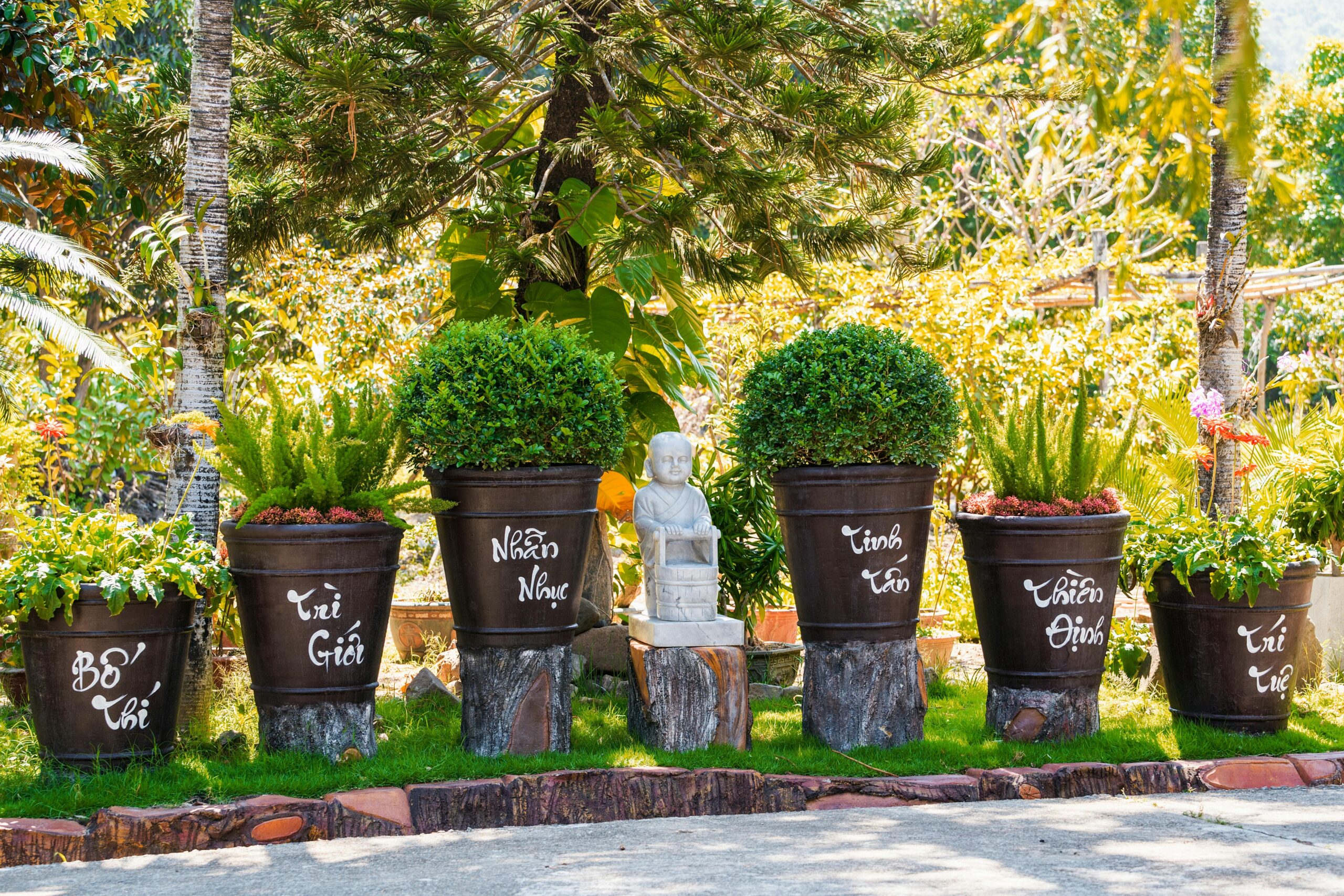
Landscaping is more than just planting flowers or mowing the lawn. It’s the thoughtful design, planning, and maintenance of outdoor spaces to improve both appearance and functionality. Whether you have a small backyard or a large property, landscaping helps you create an environment that feels inviting, useful, and connected to nature.
This complete guide explains what landscaping really means, the different types, key elements, benefits, and practical tips to get started—written in a clear, human-friendly way without unnecessary jargon.
What Is Landscaping?
Landscaping refers to the process of modifying and designing outdoor areas such as gardens, yards, parks, and commercial spaces. It combines both natural elements (plants, soil, water) and man-made features (paths, patios, walls) to create a balanced and visually pleasing environment.
At its core, landscaping is about:
- Improving outdoor aesthetics
- Enhancing usability of space
- Supporting environmental health
- Increasing property value
It’s both an art and a science—blending creativity with practical planning.
Types of Landscaping
Understanding the different types of landscaping helps you decide what suits your space and goals best.
1. Soft Landscaping


6
Soft landscaping focuses on living elements such as:
- Grass and lawns
- Flowers and shrubs
- Trees and hedges
- Soil and mulch
This type of landscaping brings life, color, and natural beauty to outdoor spaces. It also improves air quality and supports biodiversity.
2. Hard Landscaping


7
Hard landscaping includes non-living features, such as:
- Patios and decks
- Walkways and driveways
- Retaining walls
- Fences and pergolas
These elements add structure and make outdoor areas more functional.
3. Xeriscaping
This type of landscaping focuses on water conservation. It uses drought-resistant plants, gravel, and efficient irrigation systems—ideal for dry regions.
4. Sustainable Landscaping
Sustainable landscaping aims to protect the environment by using eco-friendly methods like:
- Rainwater harvesting
- Native plants
- Organic fertilizers
- Reduced chemical use
5. Garden Landscaping
This includes decorative gardening styles such as:
- Flower gardens
- Vegetable gardens
- Zen gardens
- Cottage gardens
Key Elements of Landscaping
Good landscaping combines several elements in a balanced way.
1. Plants and Greenery
Plants are the foundation of any landscape. Choosing the right mix of:
- Trees for shade
- Shrubs for structure
- Flowers for color
can completely transform your outdoor space.
2. Lawn Areas
A well-maintained lawn creates a clean and open look. It’s also useful for:
- Relaxation
- Kids’ play areas
- Outdoor gatherings
3. Water Features

7
Water features add a calming effect. Popular options include:
- Fountains
- Ponds
- Waterfalls
They improve ambiance and reduce noise pollution.
4. Lighting
Outdoor lighting enhances both safety and beauty. It highlights key features and allows you to enjoy your space at night.
5. Pathways and Structures
Walkways, seating areas, and decorative structures guide movement and make the space more practical.
Benefits of Landscaping
Landscaping offers more than just visual appeal.
1. Increases Property Value
A well-designed landscape can significantly boost property value. It creates a strong first impression and attracts buyers.
2. Improves Mental Well-Being
Spending time in a green, well-designed outdoor space helps reduce stress and improves mood.
3. Enhances Air Quality
Plants absorb carbon dioxide and release oxygen, making the environment healthier.
4. Supports Wildlife
Trees, flowers, and water features attract birds, butterflies, and beneficial insects.
5. Controls Temperature
Landscaping can reduce heat around your home by providing shade and cooling effects.
Principles of Good Landscaping Design
To create a balanced and attractive outdoor space, follow these key principles:
1. Balance
Ensure that elements are evenly distributed. This can be:
- Symmetrical (equal on both sides)
- Asymmetrical (different but balanced visually)
2. Unity
All elements should work together to create a cohesive look.
3. Proportion
The size of plants, structures, and features should match the space.
4. Rhythm
Repeating elements like plants or colors creates flow and consistency.
5. Focal Point
Every landscape should have a main feature that draws attention, such as a fountain or a large tree.
Step-by-Step Guide to Landscaping Your Space
Step 1: Assess Your Space
Start by understanding:
- Soil type
- Sunlight exposure
- Available space
Step 2: Define Your Purpose
Ask yourself:
- Do you want a relaxing garden?
- A play area for kids?
- A space for entertaining guests?
Step 3: Plan Your Layout
Sketch a simple layout including:
- Plant areas
- Pathways
- Seating zones
Step 4: Choose Plants Wisely
Pick plants based on:
- Climate
- Maintenance level
- Growth size
Step 5: Add Hard Features
Include patios, walkways, or fences to improve usability.
Step 6: Install Lighting
Use soft lighting to highlight features and improve safety.
Step 7: Maintain Regularly
Landscaping requires ongoing care:
- Watering
- Pruning
- Fertilizing
Common Landscaping Mistakes to Avoid
Avoid these common errors to save time and money:
- Planting without planning
- Choosing high-maintenance plants
- Ignoring drainage issues
- Overcrowding plants
- Lack of proper lighting
Landscaping Ideas for Small Spaces
Even small areas can look amazing with the right approach.
- Use vertical gardens
- Add potted plants
- Install compact seating
- Use mirrors or light colors to create depth
Landscaping Ideas for Large Yards
For bigger spaces, you have more freedom:
- Create separate zones
- Add a water feature
- Build a patio or deck
- Plant trees for shade
Seasonal Landscaping Tips
Spring
- Plant flowers and new greenery
- Fertilize soil
Summer
- Water regularly
- Trim plants
Autumn
- Clean fallen leaves
- Prepare plants for winter
Winter
- Protect plants
- Plan next season’s design
How Much Does Landscaping Cost?
Costs vary depending on:
- Size of the area
- Materials used
- Complexity of design
Basic landscaping can be affordable, while luxury designs may require a higher budget.
DIY vs Professional Landscaping
DIY Landscaping
Best for:
- Small projects
- Budget-friendly solutions
Professional Landscaping
Best for:
- Large or complex designs
- High-quality results
Hiring professionals ensures expert planning and long-term durability.
Why Landscaping Matters Today
Modern landscaping is no longer just decoration. It plays a key role in:
- Sustainable living
- Climate control
- Improving lifestyle quality
A well-designed outdoor space can serve as your personal retreat.
Final Thoughts
Landscaping is the perfect blend of creativity and functionality. Whether you want a peaceful garden, a stylish backyard, or a practical outdoor area, the right landscaping approach can transform your space completely.
Start small, plan carefully, and focus on what suits your lifestyle. Over time, your outdoor area can become one of the most valuable and enjoyable parts of your home.