

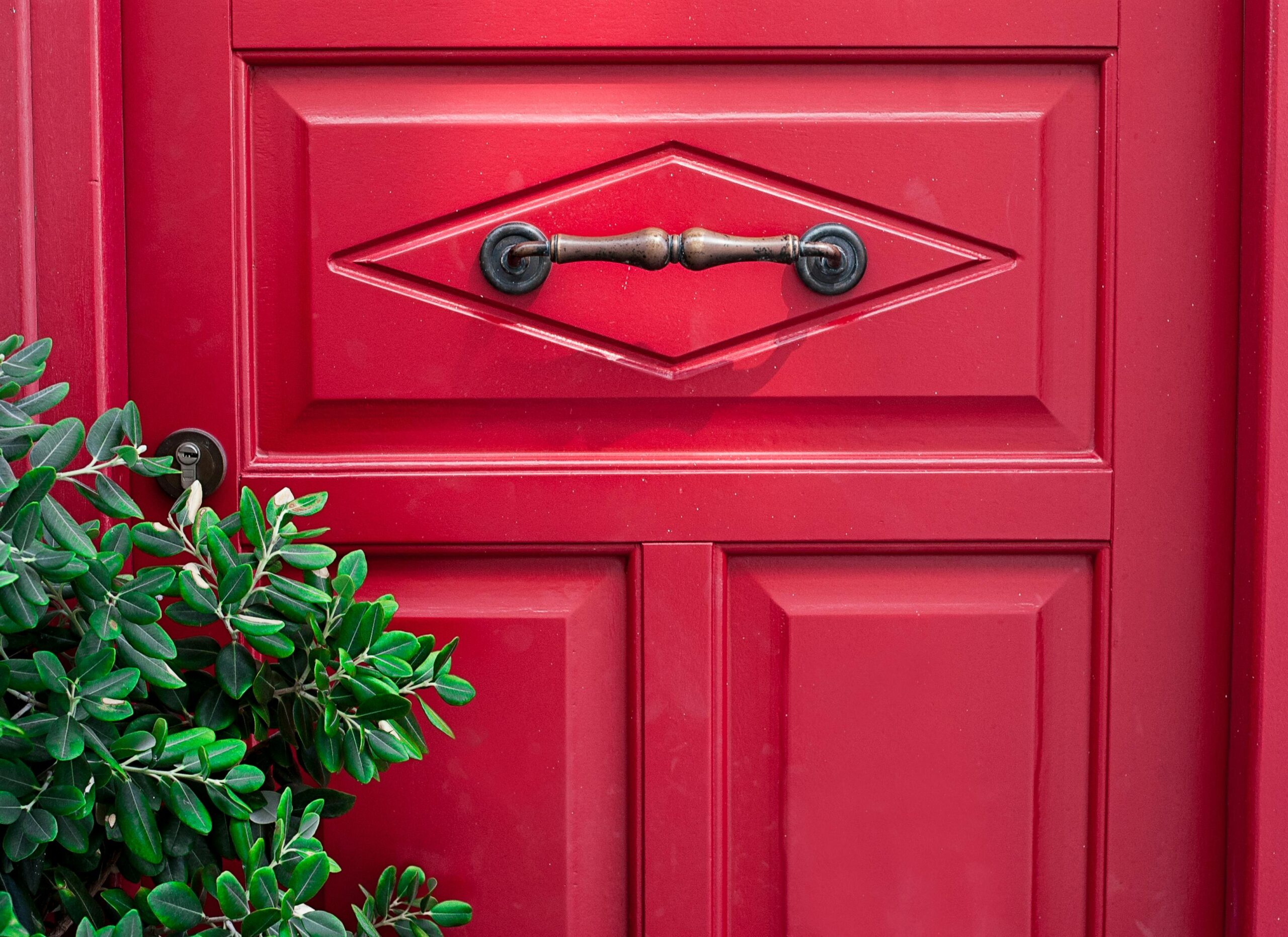
Choosing the right exterior door is not just a design decision. It affects your home’s security, energy efficiency, comfort, maintenance costs, and long-term value. In 2026, homeowners are more informed than ever, and the debate between steel doors vs fiberglass doors continues to be one of the most searched home improvement topics.
If you are building a new home or replacing an old entry door, this guide will help you make a confident, well-informed choice. This article is written from a buyer’s perspective, with real-world use cases, current material advancements, and long-term performance in mind.
We’ll break everything down clearly, avoid technical jargon where possible, and focus on what actually matters when you spend your money.
Why the Steel vs Fiberglass Door Debate Matters in 2026
Front doors do much more than welcome guests. They:
- Protect your home from forced entry
- Insulate against heat and cold
- Block noise from outside
- Shape first impressions
- Affect resale value
Steel and fiberglass dominate the modern door market because wood doors, while beautiful, often fail in durability and maintenance. In 2026, both steel and fiberglass doors have improved thanks to better insulation cores, advanced coatings, and smarter manufacturing.
Still, they serve different types of homeowners.
Understanding these differences is the key to buying wisely.
Quick Overview: Steel vs Fiberglass Doors
Before we dive deeper, here’s a simple comparison to set the stage.
| Feature | Steel Door | Fiberglass Door |
|---|---|---|
| Security | Excellent | Very good |
| Durability | Strong but dent-prone | Extremely durable |
| Energy Efficiency | High | Very high |
| Maintenance | Low to moderate | Very low |
| Appearance | Clean, modern | Highly customizable |
| Climate Resistance | Can rust if damaged | Excellent |
| Price Range | Lower upfront | Higher upfront |
This table only scratches the surface. Let’s explore each category in detail.
What Is a Steel Door?
A steel door is typically made from galvanized steel panels wrapped around an insulated core, usually polyurethane or polystyrene foam. These doors are designed for strength and security first, with style as a secondary benefit.
How Steel Doors Are Built
Most modern steel doors include:
- Two steel skins (front and back)
- A rigid insulated core
- Reinforced lock and hinge areas
- Factory-applied paint or coating
This structure creates a door that is solid, secure, and energy efficient.
What Is a Fiberglass Door?
Fiberglass doors are made from glass-fiber reinforced polymer molded over a composite or insulated core. They are engineered to mimic wood while outperforming it in durability and weather resistance.
How Fiberglass Doors Are Built
A typical fiberglass door includes:
- Molded fiberglass panels
- Insulated foam core
- Composite frame edges
- Textured or smooth exterior finishes
Fiberglass doors are known for their flexibility in design and resistance to wear.
Security Comparison: Which Door Is Safer?
Security is often the first concern for homeowners.
Steel Door Security
Steel doors are widely considered the most secure residential door option. Their rigid outer shell resists:
- Forced kicks
- Blunt force impacts
- Lock tampering
When paired with a reinforced frame and quality deadbolt, steel doors provide top-level protection.
Important note:
A door is only as secure as its frame and hardware. A weak frame can cancel out a strong door.
Fiberglass Door Security
Fiberglass doors are also very secure, especially high-quality models. They:
- Do not crack easily
- Resist splitting better than wood
- Hold locks firmly
However, they are slightly more flexible than steel under extreme force.
Security Verdict:
If maximum break-in resistance is your top priority, steel doors win by a small margin.
Durability and Longevity
A door should last decades, not years.
Steel Door Durability
Steel doors are strong but not indestructible.
Pros:
- Resistant to warping
- Handles heavy use well
Cons:
- Can dent from strong impacts
- Scratches may expose metal, leading to rust if untreated
In coastal or humid regions, steel doors require extra care to prevent corrosion.
Fiberglass Door Durability
Fiberglass doors excel in long-term durability.
Pros:
- Won’t rust, warp, or rot
- Handles temperature swings well
- Resistant to moisture and insects
Cons:
- Very low-quality fiberglass may crack, but this is rare
Durability Verdict:
Fiberglass doors outperform steel in harsh climates and long-term wear.
Energy Efficiency and Insulation Performance
Energy efficiency is a major buying factor in 2026, especially with rising energy costs.
Steel Door Insulation
Steel doors use insulated cores that significantly reduce heat transfer. When installed properly, they:
- Reduce air leaks
- Maintain indoor temperature
- Lower heating and cooling costs
Steel itself conducts heat, but the insulation core minimizes this issue.
Fiberglass Door Insulation
Fiberglass naturally has lower thermal conductivity than steel. Combined with insulated cores, fiberglass doors offer:
- Excellent thermal resistance
- Better performance in extreme climates
- Consistent insulation year-round
Energy Efficiency Verdict:
Fiberglass doors provide slightly better insulation overall, especially in very hot or cold regions.
Appearance and Design Options
Your door is a visual statement.
Steel Door Design
Modern steel doors are no longer plain slabs.
Design features include:
- Smooth or textured finishes
- Minimalist modern styles
- Decorative glass inserts
However, steel doors generally offer fewer design variations compared to fiberglass.
Fiberglass Door Design
Fiberglass doors are the clear winner in aesthetics.
They can:
- Mimic real wood grain convincingly
- Be stained or painted
- Match traditional, modern, or rustic homes
Most people cannot tell high-end fiberglass from real wood.
Design Verdict:
If visual flexibility matters, fiberglass doors dominate.
Maintenance Requirements
Maintenance costs add up over time.
Steel Door Maintenance
Steel doors require:
- Occasional repainting
- Prompt repair of scratches
- Rust prevention in damaged areas
Maintenance is manageable but must not be ignored.
Fiberglass Door Maintenance
Fiberglass doors are nearly maintenance-free.
They:
- Don’t rust or rot
- Hold paint and stain well
- Resist moisture damage
A simple cleaning is usually enough.
Maintenance Verdict:
Fiberglass doors are easier to maintain long term.
Weather Resistance and Climate Performance
Your local climate should influence your choice.
Steel Doors in Different Climates
Steel doors perform well in dry, moderate climates. In humid or coastal areas:
- Salt air can accelerate rust
- Scratches become more problematic
Fiberglass Doors in Different Climates
Fiberglass doors excel in all climates:
- Hot and cold regions
- Coastal environments
- High-humidity areas
They expand and contract less than steel or wood.
Climate Verdict:
Fiberglass is the safer choice for extreme or coastal weather.
Cost Comparison: Upfront vs Long-Term Value
Budget matters, but value matters more.
Steel Door Costs (2026 Estimates)
- Entry-level: Lower cost
- Mid-range: Affordable with solid features
- Long-term maintenance: Moderate
Steel doors offer excellent value for security-focused buyers.
Fiberglass Door Costs (2026 Estimates)
- Higher upfront price
- Minimal maintenance
- Long lifespan
Over 20–30 years, fiberglass doors often cost less overall.
Cost Verdict:
Steel wins upfront. Fiberglass wins long-term.
Installation Considerations
Installation affects performance more than many people realize.
- Steel doors are heavier and require precise fitting
- Fiberglass doors are lighter and easier to install
Professional installation is strongly recommended for both.
Environmental Impact and Sustainability
In 2026, eco-conscious buying is growing.
Steel Doors
- Often made from recycled steel
- Fully recyclable
Fiberglass Doors
- Longer lifespan reduces waste
- Less energy loss over time
Both are environmentally responsible when chosen wisely.
Best Use Cases: Which Door Is Right for You?
Choose a Steel Door If You:
- Want maximum security
- Are on a tighter budget
- Live in a dry or moderate climate
Choose a Fiberglass Door If You:
- Want long-term durability
- Care about aesthetics
- Live in a harsh climate
- Prefer low maintenance
Common Buyer Mistakes to Avoid
- Choosing based on price alone
- Ignoring climate conditions
- Overlooking door frame quality
- Skipping professional installation
A smart buyer looks at the whole system, not just the door slab.
Steel vs Fiberglass Door: Final Verdict for 2026
There is no single “best” door for everyone.
- Steel doors are ideal for security-focused, budget-conscious homeowners.
- Fiberglass doors are perfect for those who want durability, design flexibility, and long-term savings.
In 2026, fiberglass doors are gaining popularity because they combine performance, beauty, and minimal upkeep. Still, steel doors remain a strong and reliable choice.
Final Buying Advice
Before you decide, ask yourself:
- What climate do I live in?
- How important is appearance?
- Do I want low maintenance?
- What is my long-term budget?
Answer these honestly, and the right choice becomes clear.
Bottom Line
Both steel and fiberglass doors are excellent options. The best door is the one that fits your home, your climate, and your priorities.
If you invest wisely today, your door will protect, insulate, and welcome you for decades to come.