

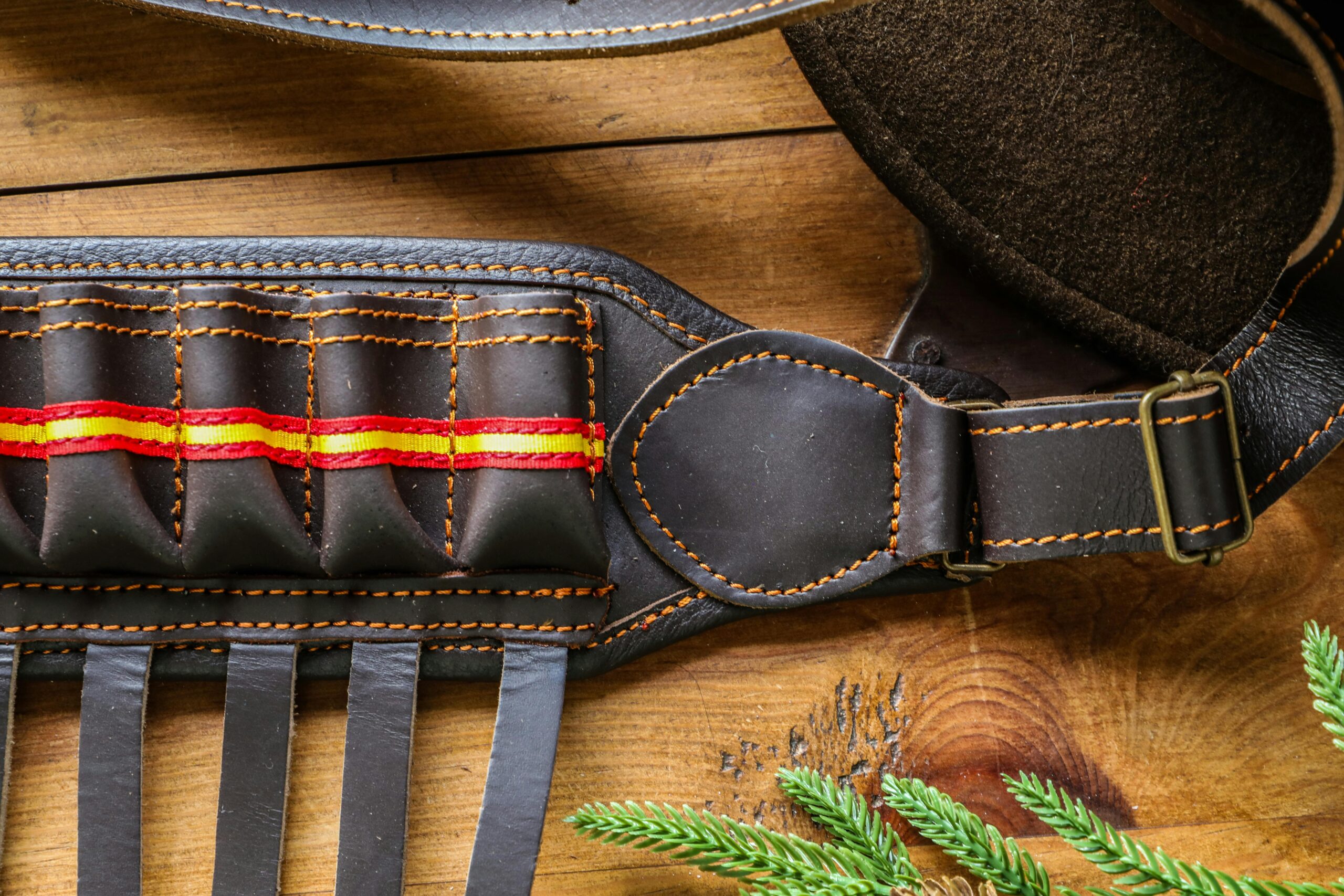
Gardening becomes significantly easier when tools are organized and accessible. A leather gardening belt is designed to solve a simple but constant problem: keeping essential tools within reach while working outdoors.
Instead of walking back and forth to a toolbox, gardeners can carry pruners, gloves, seed packets, small trowels, and other tools directly on their waist. This improves speed, comfort, and efficiency.
In 2026, leather gardening belts are not just practical accessories. They are also durable lifestyle tools that combine function with long-term wear resistance and professional gardening convenience.
This guide explains everything you need to know about leather gardening belts, including features, benefits, types, buying tips, maintenance, and insider advice used by professional gardeners.
1. What Is a Leather Gardening Belt?
A leather gardening belt is a waist-worn tool organizer made primarily from genuine or synthetic leather. It contains multiple pockets, loops, and holders designed to carry gardening tools.
Core Purpose
- Keep tools accessible while working
- Reduce time spent searching for equipment
- Improve gardening workflow
- Reduce physical strain from carrying tools by hand
Unlike fabric belts, leather versions offer higher durability, structure, and long-term shape retention.
2. Why Leather Is Preferred for Gardening Belts
Leather is one of the most reliable materials for outdoor utility gear.
Key Advantages of Leather
- Strong and long-lasting
- Resistant to tearing
- Holds structure over time
- Develops natural aging patina
- Comfortable after break-in period
Expert insight:
High-quality leather belts often last several years longer than synthetic fabric belts when properly maintained.
3. Key Features of a Leather Gardening Belt
Not all gardening belts are the same. Understanding features helps in selecting the right one.
3.1 Multiple Tool Pockets
A good belt includes:
- Small pockets for seeds
- Medium pockets for gloves
- Deep pockets for tools
Practical benefit:
Organized storage reduces tool mix-ups during gardening tasks.
3.2 Strong Metal or Brass Hardware
High-quality belts use:
- Brass buckles
- Reinforced rivets
- Metal loops
Insider tip:
Brass hardware is preferred because it resists rust and performs better in outdoor humidity.
3.3 Adjustable Waist Fit
Gardening involves movement, bending, and stretching.
A proper belt should:
- Adjust easily
- Stay tight without slipping
- Fit different body sizes
3.4 Reinforced Stitching
Double or triple stitching improves durability.
Weak stitching leads to:
- Pocket tearing
- Uneven weight distribution
- Short product lifespan
3.5 Water-Resistant Finish
Leather belts often include protective coating to resist:
- Light rain
- Soil moisture
- Plant sap
4. Benefits of Using a Leather Gardening Belt
A gardening belt is not just storage it improves overall gardening performance.
4.1 Improved Efficiency
Tools are always within reach, reducing unnecessary movement.
Result:
Faster task completion and smoother workflow.
4.2 Better Organization
Each tool has a dedicated space.
No more searching in soil or scattered toolboxes.
4.3 Reduced Physical Strain
Carrying tools in hands or buckets can cause fatigue.
A belt distributes weight around the waist, reducing pressure.
4.4 Professional Gardening Experience
Many professional gardeners and landscapers use tool belts for:
- Pruning work
- Plant maintenance
- Landscaping projects
4.5 Increased Safety
Sharp tools like pruners are safely stored instead of being loose in pockets.
5. Types of Leather Gardening Belts
Different designs serve different gardening needs.
5.1 Basic Utility Belt
Features:
- Few pockets
- Lightweight design
- Simple structure
Best for:
- Home gardeners
- Light gardening tasks
5.2 Professional Multi-Pocket Belt
Features:
- Multiple compartments
- Heavy-duty leather
- Tool-specific holders
Best for:
- Landscapers
- Professional gardeners
5.3 Apron-Style Gardening Belt
Features:
- Front apron coverage
- Extended storage space
- Chest-to-waist protection
Best for:
- Heavy gardening tasks
- Long working sessions
5.4 Hybrid Leather Tool Belt
Features:
- Combination of leather and fabric
- Lightweight but durable
- Flexible design
Best for:
- Mixed gardening tasks
- Mobile gardening work
6. How to Choose the Right Leather Gardening Belt
Choosing the right belt depends on usage, comfort, and tool requirements.
6.1 Consider Your Gardening Style
Ask these questions:
- Do you garden occasionally or daily?
- Do you use heavy tools or light tools?
- Do you work in small or large gardens?
6.2 Check Pocket Layout
A good layout should:
- Separate sharp tools from soft items
- Allow easy access
- Avoid overcrowding
6.3 Focus on Comfort
Comfort factors include:
- Weight balance
- Padding support
- Adjustable straps
Insider insight:
A poorly balanced belt causes hip strain during long gardening sessions, even if the belt is high quality.
6.4 Choose Real vs Synthetic Leather
Real leather:
- Long-lasting
- Premium feel
- Better durability
Synthetic leather:
- Affordable
- Lightweight
- Lower lifespan
7. Best Uses of a Leather Gardening Belt
A gardening belt is versatile and can be used in multiple tasks.
Common uses:
- Pruning plants
- Planting seedlings
- Carrying seeds and fertilizers
- Weeding and trimming
- Garden maintenance work
8. Maintenance Tips for Leather Gardening Belts
Proper care extends lifespan significantly.
8.1 Regular Cleaning
- Wipe dirt after each use
- Use dry or slightly damp cloth
- Avoid soaking in water
8.2 Conditioning Leather
Apply leather conditioner every few months to:
- Prevent cracking
- Maintain flexibility
- Improve durability
8.3 Proper Storage
Store in:
- Dry environment
- Away from direct sunlight
- Flat or hanging position
Insider tip:
Never leave a leather belt wet after gardening. Moisture weakens stitching over time.
9. Common Mistakes Buyers Make
9.1 Choosing Style Over Function
Good looks don’t guarantee usability.
9.2 Ignoring Weight Distribution
Heavy tools require reinforced belts.
9.3 Buying Too Many Pockets
Extra pockets can make the belt bulky and uncomfortable.
9.4 Poor Size Selection
Incorrect sizing leads to slipping or tightness issues.
10. Insider Tips from Professional Gardeners
Tip 1: Organize Tools by Frequency of Use
Keep most-used tools in front pockets.
Tip 2: Keep Belt Lightweight
Avoid overloading it reduces mobility.
Tip 3: Label Tool Slots (Optional)
Some professionals mark pocket zones for consistency.
Tip 4: Use Belt Only for Active Work
Do not wear it when not gardening to extend lifespan.
Tip 5: Rotate Tool Weight
Distribute heavier tools evenly across the belt.
11. Price Range and Value Considerations
Leather gardening belts come in different price categories.
Budget range:
- Basic synthetic belts
- Light gardening use
Mid-range:
- Genuine leather options
- Better stitching and comfort
Premium range:
- Thick full-grain leather
- Professional landscaping belts
Expert insight:
Mid-range belts often offer the best balance between durability and cost for home gardeners.
12. Future Trends in Gardening Tool Belts
Gardening accessories are evolving with modern needs.
Emerging trends:
- Lightweight ergonomic leather hybrids
- Modular tool attachment systems
- Eco-friendly vegetable-tanned leather
- Smart tool tracking integrations
The focus is shifting toward comfort and sustainability.
Conclusion: Why a Leather Gardening Belt Is Worth It
A leather gardening belt improves gardening efficiency, comfort, and organization. It is not just an accessory it is a practical tool that supports better workflow and safer handling of equipment.
The key to choosing the right belt lies in:
- Matching it with your gardening style
- Ensuring proper fit and comfort
- Selecting durable leather with strong stitching
With the right choice, gardening becomes smoother, faster, and more enjoyable, especially during long outdoor sessions.