

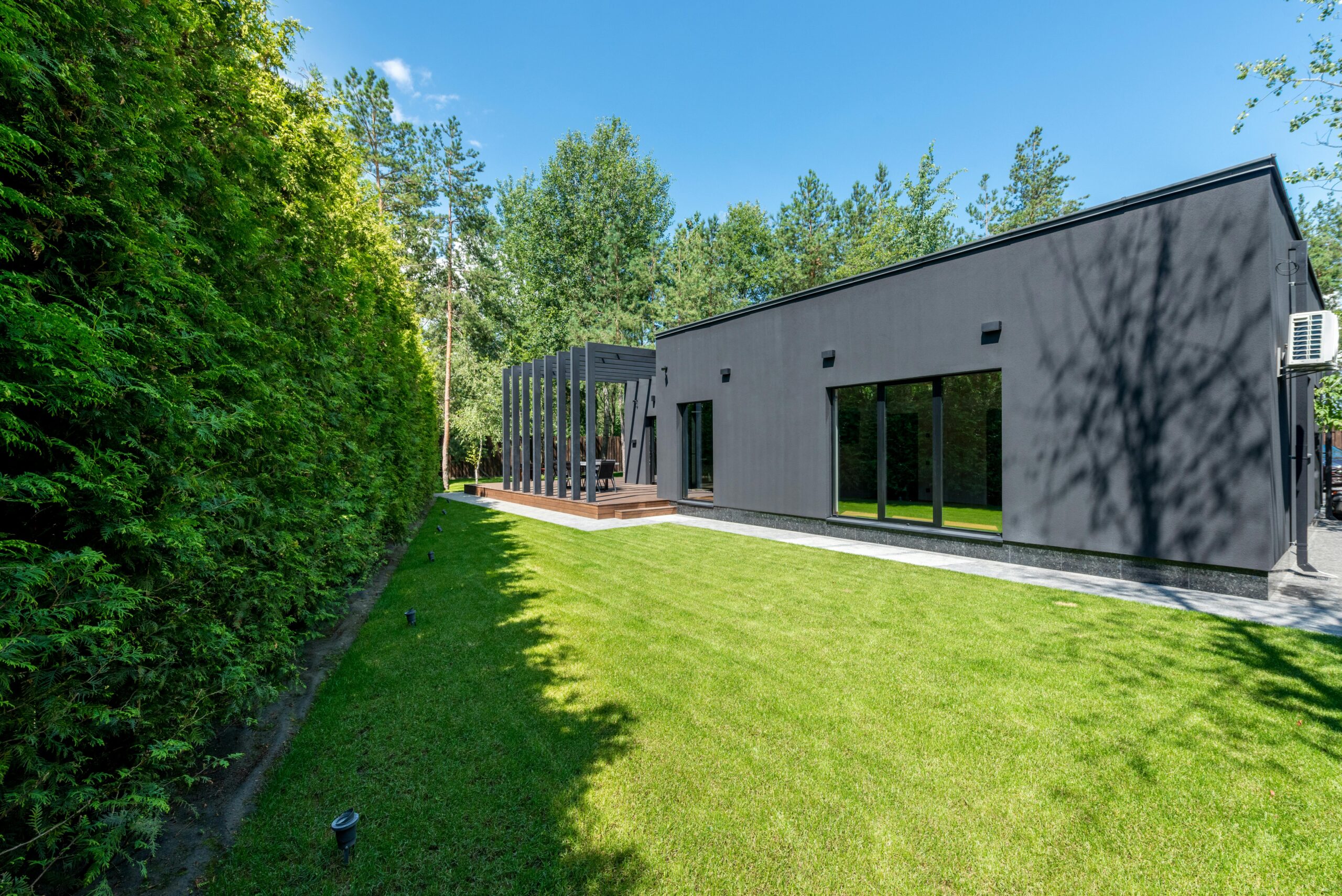
Yard design ideas play a major role in transforming an ordinary outdoor space into a functional, beautiful, and relaxing environment. A well-planned yard is no longer just about planting grass or flowers; it is about creating smart landscaping that balances comfort, usability, and visual appeal. Modern homeowners increasingly look for yard design ideas that make their outdoor areas easier to maintain while still keeping them stylish and inviting. With the right planning, even a small yard can be turned into a multi-purpose space for relaxation, gardening, and entertainment.
Modern yard design focuses on balance: beauty, usability, low maintenance, and long-term sustainability. Instead of random planting or scattered furniture, thoughtful planning creates a space that feels organized and natural at the same time.
This guide covers practical yard design ideas, landscaping principles, layout strategies, plant selection tips, and expert insights used by professional landscape designers.
1. Understanding Smart Landscaping
Smart landscaping means designing outdoor spaces in a way that improves both appearance and function while reducing maintenance effort.
Core Principles:
- Efficient use of space
- Climate-appropriate plants
- Low water consumption
- Easy maintenance
- Year-round visual appeal
Expert insight:
A well-planned yard reduces maintenance work by up to 40% compared to randomly arranged outdoor spaces.
2. Start with a Yard Layout Plan
Before planting or building anything, planning is essential.
2.1 Divide the Yard into Zones
Common zones include:
- Seating area
- Garden beds
- Walking paths
- Lawn space
- Utility/storage corner
2.2 Identify Sun and Shade Areas
Track sunlight patterns:
- Morning sun zones
- Full sun areas
- Shade-heavy corners
This helps in plant placement.
2.3 Measure Available Space
Accurate measurements prevent overcrowding and design imbalance.
Insider tip:
Even small yards feel larger when divided into functional zones instead of one open space.
3. Lawn Design Ideas
The lawn is often the central feature of a yard.
3.1 Minimalist Green Lawn
- Clean open grass area
- Few decorative elements
- Modern look
3.2 Layered Lawn Design
- Grass + flower borders
- Shrub edges
- Visual depth
3.3 Geometric Lawn Patterns
- Square or circular layouts
- Defined edges
- Structured appearance
Expert insight:
Defined edges around lawns instantly make the entire yard look more professional and maintained.
4. Pathway and Walkway Ideas
Walkways guide movement and structure the yard visually.
4.1 Stone Pathways
- Natural appearance
- Durable and long-lasting
4.2 Gravel Paths
- Cost-effective
- Easy to install
- Rustic style
4.3 Wooden Walkways
- Warm aesthetic
- Suitable for garden zones
Insider tip:
Curved pathways make small yards appear larger by adding visual flow.
5. Planting Strategies for Smart Landscaping
Plant selection is one of the most important parts of yard design.
5.1 Layered Planting Method
Arrange plants in layers:
- Tall trees at the back
- Medium shrubs in the middle
- Small flowers in front
5.2 Native Plants Selection
Native plants:
- Require less water
- Survive local climate easily
- Need less maintenance
5.3 Seasonal Plant Rotation
Plan plants for:
- Spring blooms
- Summer greenery
- Autumn colors
- Winter structure
Expert insight:
Yards with seasonal planting always look dynamic instead of static throughout the year.
6. Outdoor Seating Area Ideas
A yard becomes more useful with a dedicated seating space.
6.1 Patio Setup
- Stone or concrete base
- Outdoor furniture
- Shade umbrella or pergola
6.2 Wooden Deck Area
- Natural warm look
- Ideal for social gatherings
6.3 Garden Bench Corners
- Simple and peaceful
- Integrated into greenery
Insider tip:
Placing seating near greenery improves relaxation and visual comfort.
7. Lighting Design for Yards
Lighting transforms a yard at night.
7.1 Pathway Lighting
- Safe movement at night
- Enhances walkway design
7.2 Accent Lighting
- Highlights trees or walls
- Creates visual depth
7.3 String Lights
- Soft ambiance
- Perfect for outdoor gatherings
Expert insight:
Warm lighting creates a more natural and inviting outdoor atmosphere than bright white lighting.
8. Water Features in Yard Design
Water elements add movement and calmness.
8.1 Small Fountains
- Compact and elegant
- Easy maintenance
8.2 Pond Areas
- Natural ecosystem feel
- Attracts birds and insects
8.3 Wall Waterfalls
- Modern design element
- Space-saving option
Insider tip:
Even a small water feature can make a yard feel more luxurious and peaceful.
9. Smart Low-Maintenance Landscaping Ideas
Modern yard design focuses on reducing effort.
9.1 Mulching Beds
- Reduces weed growth
- Retains soil moisture
9.2 Drip Irrigation Systems
- Efficient watering
- Saves water
9.3 Artificial Turf Options
- No mowing required
- Always green appearance
Expert insight:
Low-maintenance yards are not about fewer plants they are about smarter plant placement.
10. Privacy Design Ideas
Privacy improves comfort in outdoor spaces.
10.1 Hedge Walls
- Natural privacy barrier
- Soft appearance
10.2 Wooden Fencing
- Strong visual boundary
- Customizable design
10.3 Vertical Gardens
- Space-saving
- Decorative green walls
Insider tip:
Layered privacy (fence + plants) works better than using a single barrier.
11. Common Yard Design Mistakes
11.1 Overcrowding Plants
Too many plants reduce visual clarity.
11.2 Ignoring Maintenance Needs
Design must match available upkeep time.
11.3 Poor Lighting Planning
Yards can look empty or unsafe at night.
11.4 No Clear Focal Point
Every yard should have a visual center.
12. Expert Landscaping Tips
Tip 1: Start Small and Expand
Avoid redesigning everything at once.
Tip 2: Focus on Balance, Not Quantity
Fewer well-placed elements look better than clutter.
Tip 3: Use Repeating Design Patterns
Repeating plants or shapes creates harmony.
Tip 4: Mix Hardscape and Softscape
Combine stone, wood, and greenery.
Tip 5: Keep Open Space
Not every area should be filled.
13. Future Trends in Yard Design
Modern landscaping is evolving toward:
- Smart irrigation systems
- Climate-responsive plant selection
- Minimalist outdoor layouts
- Sustainable eco-friendly gardens
- Multi-functional outdoor living spaces
Conclusion: Creating a Smart and Beautiful Yard
A well-designed yard is a combination of structure, nature, and usability. Smart landscaping transforms even small outdoor areas into functional and visually appealing spaces.
Key takeaways include:
- Plan zones before designing
- Use native and low-maintenance plants
- Add lighting and seating for usability
- Maintain balance between greenery and open space
With the right approach, any yard can become a practical, relaxing, and visually attractive extension of the home.