

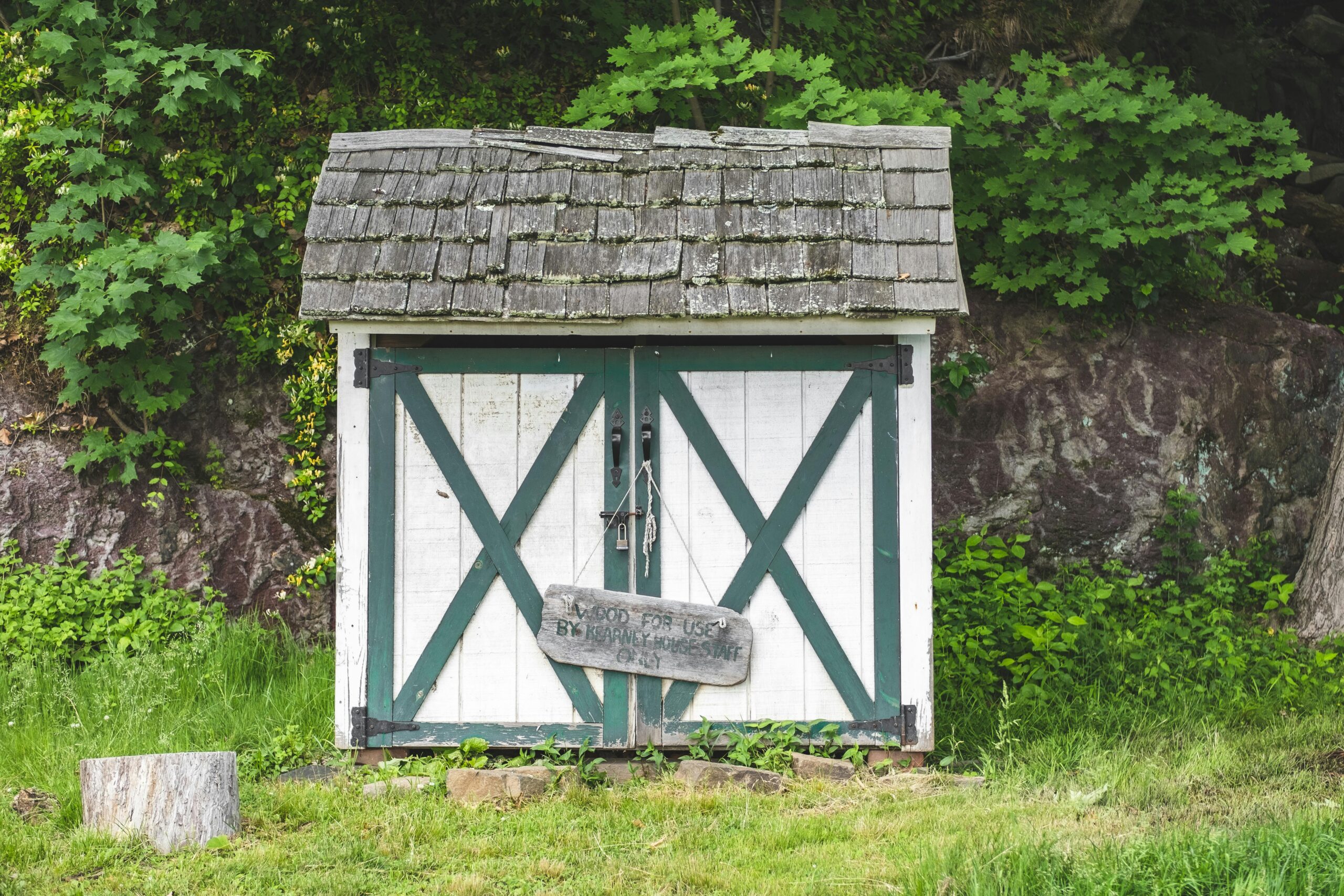
Victorian garden sheds are more than storage spaces. They are small architectural statements that bring charm, structure, and elegance to outdoor areas. Unlike modern plastic or metal sheds, Victorian-style sheds focus on detailed craftsmanship, decorative elements, and a timeless aesthetic that blends into gardens naturally.
Homeowners choose Victorian garden sheds not only for storage but also to enhance garden beauty, create hobby spaces, or build a small retreat area. The design reflects a traditional English garden style that remains popular even in modern landscaping.
This guide explains Victorian garden shed designs in detail, including styles, materials, layout ideas, construction features, benefits, and insider tips used by garden designers and landscape architects.
1. What Is a Victorian Garden Shed?
A Victorian garden shed is a traditional-style outdoor structure inspired by architecture from the Victorian era (1837–1901). These sheds are known for decorative detailing, pitched roofs, wooden framing, and elegant proportions.
Key Purpose:
- Garden storage
- Potting and planting space
- Outdoor workspace
- Decorative garden feature
- Small retreat or reading area
Unlike simple sheds, Victorian designs prioritize appearance as much as function.
2. Key Features of Victorian Garden Shed Design
Victorian sheds have distinctive architectural elements that set them apart.
2.1 Steeply Pitched Roofs
One of the most recognizable features.
Benefits:
- Better rainwater drainage
- Traditional aesthetic
- Increased internal height
2.2 Wooden Frame Construction
Most Victorian sheds use timber structures.
Features:
- Natural wood texture
- Strong structural support
- Easy customization
2.3 Decorative Trim and Details
These sheds often include:
- Window trims
- Roof finials
- Carved wood accents
- Decorative panels
Expert insight:
The decorative trim is what transforms a basic shed into a Victorian-style structure. Without it, the design loses its identity.
2.4 Large Windows
Windows are more than functional they are part of the design.
Benefits:
- Natural light inside
- Visual connection with garden
- Improved ventilation
2.5 Dual-Purpose Layout
Many Victorian sheds are designed for:
- Storage + workspace
- Gardening + relaxation
- Hobby + utility
3. Popular Victorian Garden Shed Styles
Different variations exist within Victorian design.
3.1 Traditional English Garden Shed
This is the most classic form.
Features:
- Wooden siding
- Green or white paint
- Flower boxes near windows
- Symmetrical design
Best For:
- Classic gardens
- Cottage-style homes
3.2 Potting Shed Style
Designed for gardening activities.
Features:
- Workbenches inside
- Tool storage walls
- Large glass panels
- Functional layout
Best For:
- Gardening enthusiasts
- Plant propagation
3.3 Ornamental Victorian Shed
Focuses on visual appeal.
Features:
- Decorative roof design
- Fancy windows
- Painted finishes
- Artistic detailing
Best For:
- Landscaping focal points
- Luxury gardens
3.4 Hybrid Modern-Victorian Shed
Combines traditional style with modern materials.
Features:
- Victorian exterior design
- Modern insulation
- Durable materials
Best For:
- Contemporary homes
- Low-maintenance users
4. Best Materials for Victorian Garden Sheds
Material selection determines durability and appearance.
4.1 Timber (Most Traditional)
- Natural look
- Easy to customize
- Classic Victorian feel
Expert insight:
Cedar and pine are commonly used because they resist moisture better than standard wood.
4.2 Engineered Wood
- More stable than natural wood
- Resistant to warping
- Cost-effective
4.3 Metal Frame with Wood Cladding
- Strong structure
- Victorian exterior look
- Longer lifespan
4.4 Composite Materials
- Low maintenance
- Weather-resistant
- Modern durability
5. Roof Styles in Victorian Garden Sheds
Roof design is a key part of Victorian architecture.
5.1 Gable Roof
- Most common
- Symmetrical shape
- Good drainage
5.2 Gambrel Roof
- Double slope design
- Extra storage space
- Barn-like Victorian influence
5.3 Curved or Decorative Roof Edges
- Artistic Victorian touch
- Rare but visually striking
Insider tip:
Dark-colored roofing materials improve the Victorian aesthetic by enhancing contrast with lighter walls.
6. Interior Layout Ideas for Victorian Sheds
Interior planning depends on usage.
6.1 Gardening Workspace Layout
Includes:
- Potting bench
- Tool wall storage
- Seed shelves
6.2 Storage-Focused Layout
Includes:
- Wall hooks
- Vertical shelving
- Organized compartments
6.3 Relaxation Shed Layout
Includes:
- Small seating area
- Reading corner
- Decorative plants
Expert insight:
Many modern homeowners convert Victorian sheds into hybrid “garden studios” combining work and relaxation.
7. Color Schemes for Victorian Garden Sheds
Color plays a major role in Victorian aesthetics.
7.1 Classic White and Cream
- Traditional look
- Bright and clean appearance
7.2 Deep Green and Forest Tones
- Blends with garden
- Natural Victorian feel
7.3 Earthy Browns and Wood Stains
- Rustic and natural
- Emphasizes wood texture
7.4 Bold Heritage Colors
- Navy blue
- Burgundy
- Dark grey
Insider tip:
Muted colors often look more authentic than overly bright modern shades in Victorian-style designs.
8. Landscaping Around Victorian Garden Sheds
A shed looks better when integrated into its surroundings.
8.1 Flower Beds
- Roses
- Lavender
- Hydrangeas
8.2 Stone Pathways
- Cobblestone paths
- Gravel walkways
8.3 Climbing Plants
- Ivy
- Clematis
- Wisteria
Expert insight:
Climbing plants soften the shed structure and enhance Victorian authenticity.
9. Benefits of Victorian Garden Sheds
9.1 Aesthetic Value
Enhances overall garden beauty.
9.2 Functional Storage
Keeps tools and supplies organized.
9.3 Property Value Increase
Well-designed garden structures improve property appeal.
9.4 Multi-Purpose Use
Can be used for:
- Gardening
- Workspaces
- Relaxation
10. Common Mistakes in Victorian Shed Design
10.1 Overdecorating the Structure
Too many details can make it look cluttered.
10.2 Ignoring Weather Protection
Wood requires proper sealing.
10.3 Poor Ventilation Planning
Leads to moisture buildup.
10.4 Incorrect Placement
Bad positioning reduces visual impact.
11. Maintenance Tips for Long-Term Durability
11.1 Regular Painting or Staining
Protects wood from moisture damage.
11.2 Roof Inspection
Check for leaks and wear annually.
11.3 Pest Control
Prevent wood damage from insects.
Insider tip:
Seasonal maintenance significantly extends shed lifespan, especially in humid or rainy climates.
12. Insider Tips from Garden Designers
Tip 1: Place Shed as Garden Focal Point
Not hidden make it part of design.
Tip 2: Match Shed Color with House Exterior
Creates visual harmony.
Tip 3: Add Functional Lighting
Improves usability in evenings.
Tip 4: Use Symmetry in Design
Victorian architecture relies heavily on balance.
Tip 5: Keep Exterior Clutter-Free
Clean surroundings enhance elegance.
13. Future Trends in Victorian Garden Sheds
Modern adaptations include:
- Eco-friendly wood materials
- Solar-powered lighting
- Prefabricated Victorian kits
- Smart garden integration
- Hybrid indoor-outdoor studios
Conclusion: Why Victorian Garden Sheds Remain Timeless
Victorian garden sheds combine beauty, function, and tradition in a way that modern storage structures often cannot match. Their detailed craftsmanship and natural integration into garden landscapes make them both practical and visually appealing.
Key strengths include:
- Timeless architectural style
- Strong functional versatility
- High aesthetic value
- Customizable design options
When designed thoughtfully, a Victorian garden shed becomes more than a storage space—it becomes an elegant extension of the garden itself.