

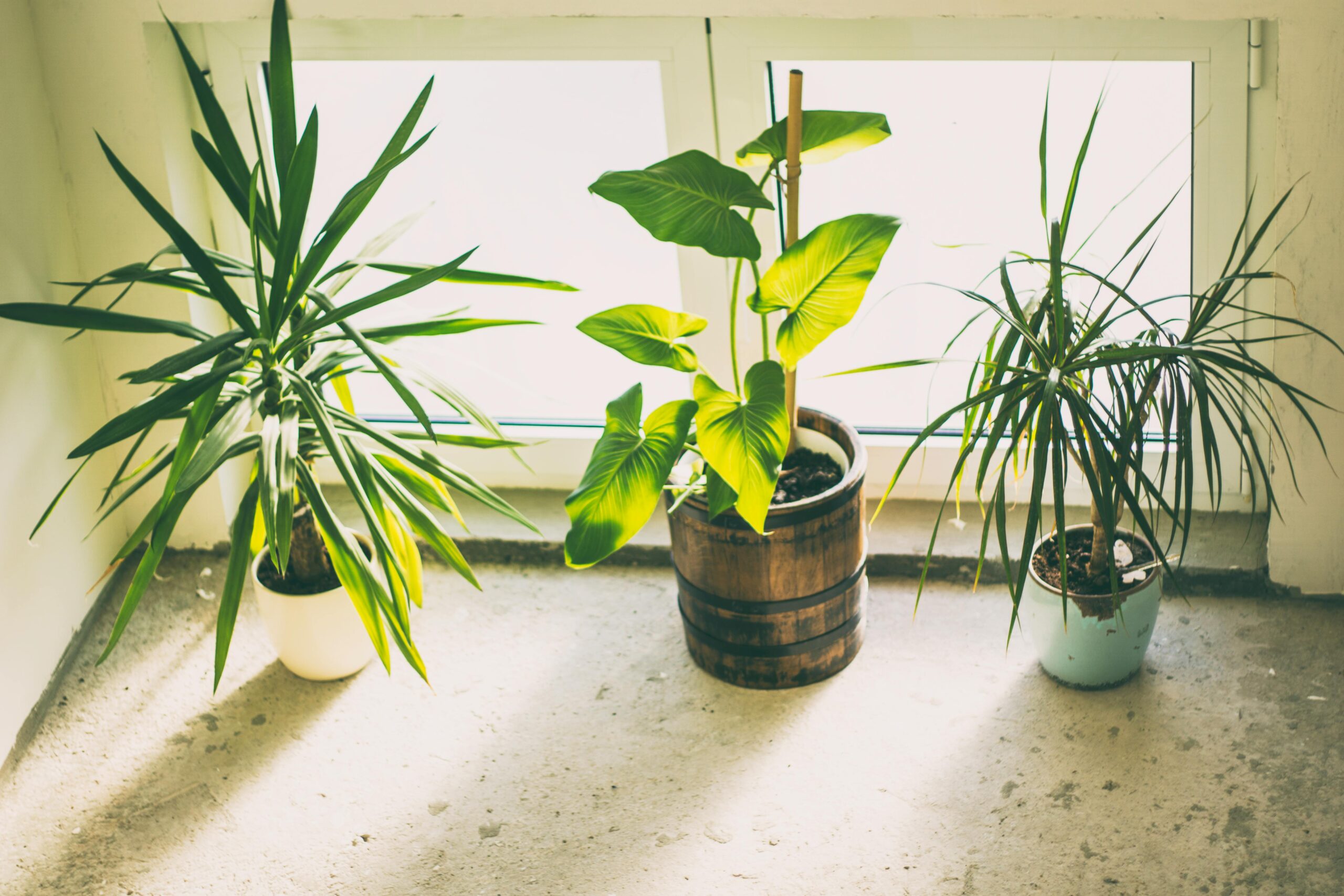
Plants That Fight Mold indoors is not just a visual problem. It can affect air quality, trigger allergies, and worsen respiratory issues over time. While fixing humidity and ventilation is the main solution, certain indoor plants can support a healthier environment by naturally improving air quality and reducing moisture-related issues.
This guide explains how mold develops indoors, which plants are commonly associated with mold reduction, and how to use them effectively in real living spaces.
Understanding Mold Growth Indoors
Mold grows in areas where moisture, warmth, and poor airflow combine.
Common Causes
- High indoor humidity
- Leaking pipes or walls
- Poor ventilation
- Overwatering indoor plants
- Damp corners or bathrooms
Key Insight
Plants alone cannot eliminate mold, but they can support better air balance when combined with proper home maintenance.
Can Plants Really Help With Mold?
Yes, but with limits.
Plants help in two indirect ways:
1. Improving Air Quality
Some plants absorb airborne toxins and release oxygen, improving overall air freshness.
2. Managing Humidity
Certain plants regulate moisture through transpiration, which can slightly stabilize indoor humidity levels.
Important Reality Check
Plants are a supporting solution not a replacement for cleaning, ventilation, or dehumidifiers.
Best Plants That Help Create Mold-Resistant Environments
These plants are commonly recommended for improving indoor air conditions.
1. Peace Lily (Spathiphyllum)
One of the most popular indoor air-purifying plants.
Benefits
- Helps reduce airborne toxins
- Absorbs moisture from the air
- Thrives in low light
Care Tip
Keep soil slightly moist but avoid overwatering, as excess water can encourage mold in soil.
Expert Insight
Peace lilies are often used in bathrooms because they tolerate humidity well while improving air freshness.
2. Snake Plant (Sansevieria)
Known for its durability and low maintenance.
Benefits
- Produces oxygen at night
- Helps filter indoor air pollutants
- Very low watering needs
Practical Insight
Snake plants are ideal for bedrooms and corners where airflow is limited.
3. Boston Fern
A natural humidity regulator.
Benefits
- Absorbs moisture from air
- Improves humidity balance
- Adds natural greenery indoors
Care Requirement
Needs consistent moisture and indirect light.
Insider Tip
Boston ferns work best in naturally humid rooms but should not be overwatered.
4. Spider Plant (Chlorophytum comosum)
A beginner-friendly plant with strong air-cleaning properties.
Benefits
- Removes airborne toxins
- Easy to grow
- Adapts to different environments
Practical Insight
Spider plants are often used in kitchens and living rooms for general air improvement.
5. Aloe Vera
A multi-purpose plant known for both skincare and air benefits.
Benefits
- Helps improve indoor air quality
- Easy maintenance
- Indicates poor air quality through leaf changes
Expert Insight
Aloe vera is best for dry indoor environments rather than overly humid spaces.
6. Areca Palm
A natural humidifier plant.
Benefits
- Adds moisture to dry air
- Improves oxygen levels
- Visually enhances interiors
Care Tip
Requires bright, indirect sunlight and regular watering.
7. English Ivy
Often used for air purification purposes.
Benefits
- Helps reduce airborne mold spores (in controlled environments)
- Absorbs toxins
- Suitable for hanging baskets
Important Note
Can be toxic to pets, so placement matters.
How to Use Plants Effectively Against Mold
1. Place Plants Strategically
- Bathrooms: Peace Lily, Boston Fern
- Bedrooms: Snake Plant, Aloe Vera
- Living rooms: Spider Plant, Areca Palm
2. Avoid Overwatering
Overwatering is one of the biggest causes of indoor mold growth in plant soil.
Practical Tip
Always check soil dryness before watering.
3. Improve Air Circulation
- Open windows regularly
- Use fans if needed
- Avoid overcrowding plants
4. Clean Plant Leaves
Dust buildup can reduce plant efficiency.
- Wipe leaves gently every few weeks
- Prevents mold accumulation on surfaces
Common Mistakes People Make
1. Relying Only on Plants
Plants help, but do not replace proper cleaning or ventilation.
2. Overwatering Indoor Plants
This creates mold directly in the soil.
3. Placing Too Many Plants in One Room
Excess plants can increase humidity instead of balancing it.
4. Ignoring Existing Mold Sources
Leaks and damp walls must be fixed separately.
Best Room-by-Room Plant Strategy
Bathroom
- Peace Lily
- Boston Fern
Bedroom
- Snake Plant
- Aloe Vera
Kitchen
- Spider Plant
- Small herbs (like basil or mint)
Living Room
- Areca Palm
- Spider Plant
Insider Insight
Different rooms need different humidity control strategies. One plant type cannot solve all environments.
Additional Tips to Reduce Mold Indoors
Control Humidity
- Keep indoor humidity below 50–60%
- Use dehumidifiers in damp climates
Fix Water Leaks Quickly
Even small leaks can create hidden mold growth.
Improve Ventilation
- Use exhaust fans in bathrooms and kitchens
- Open windows when possible
Final Thoughts
Plants That Fight mole that are associated with mold reduction work best as part of a larger indoor air-quality strategy. They contribute to cleaner air, better humidity balance, and improved living conditions, but they cannot solve mold problems alone.
A healthier home environment comes from combining:
- Proper ventilation
- Moisture control
- Regular cleaning
- Strategic plant placement
Quick Checklist
- Choose low-maintenance air-friendly plants
- Avoid overwatering
- Improve airflow in all rooms
- Fix moisture issues at the source
- Use plants as supportive, not primary, solution
Conclusion
Plants That Fight mole can play a helpful role in improving indoor air quality and creating conditions less favorable for mold growth. However, their real value comes when they are integrated into a complete home care routine that includes moisture control and ventilation.
When used correctly, these plants not only enhance aesthetics but also contribute to a fresher, healthier indoor environment.