

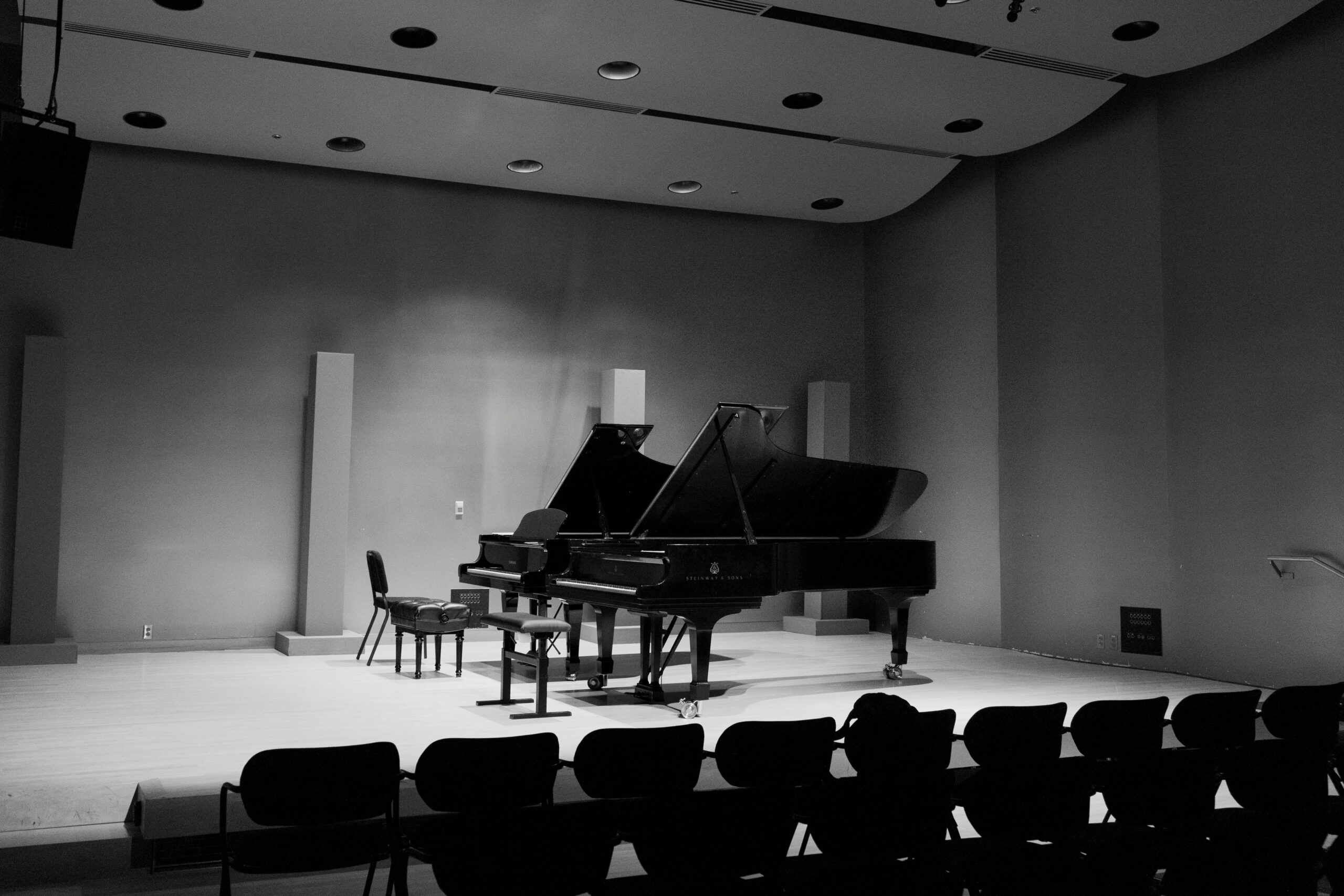
A piano is not just a musical instrument. In a living room, it becomes a visual anchor, a design statement, and often the most dominant piece of furniture in the space. Whether it is an upright piano or a grand piano, its placement directly affects room balance, acoustics, lighting, and overall interior flow.
Designing a living room with a piano requires more than decoration. It requires understanding space planning, sound behavior, furniture harmony, and practical usability.
This guide explains how to design a living room with a piano in a way that feels elegant, functional, and visually balanced. It includes placement strategies, design styles, acoustic tips, and insider insights used by interior designers and music room planners.
1. Understanding the Role of a Piano in Interior Design
A piano serves multiple roles in a living room:
- Musical instrument
- Decorative focal point
- Luxury statement piece
- Architectural anchor
Unlike sofas or tables, a piano cannot be casually repositioned. Its size, weight, and acoustic requirements make planning essential before setup.
Key Design Impact
A piano influences:
- Furniture arrangement
- Wall focus direction
- Lighting placement
- Room traffic flow
Expert insight:
Most interior designers treat the piano as the “starting point” of the room layout, not an afterthought.
2. Choosing the Right Piano for Your Living Room
Before placement, selecting the right type of piano is critical.
2.1 Upright Piano
Best for smaller or medium living rooms.
Features:
- Compact vertical structure
- Space-saving design
- Easier installation
- Lower cost than grand pianos
Ideal For:
- Apartments
- Modern homes
- Limited floor space
2.2 Grand Piano
A grand piano is a luxury centerpiece.
Features:
- Horizontal design
- Superior sound projection
- Strong visual impact
- Requires more space
Ideal For:
- Large living rooms
- Luxury homes
- Open-plan interiors
Insider Tip:
A baby grand piano often provides the best balance between elegance and space efficiency.
3. Best Placement Ideas for a Living Room with Piano
Placement is the most important decision in piano interior design.
3.1 Against a Wall (Safe and Common Choice)
Placing a piano against a wall is practical and space-efficient.
Advantages:
- Saves floor space
- Easier room arrangement
- Reduces foot traffic interference
Best for:
- Upright pianos
- Small living rooms
Expert insight:
Avoid placing directly against external walls with high humidity changes, as this can affect tuning stability.
3.2 Corner Placement (Space Optimization)
Corner placement is widely used in modern homes.
Advantages:
- Utilizes unused space
- Keeps central area open
- Creates cozy music corner
Best for:
- Upright pianos
- Medium-sized rooms
Insider tip:
Angle the piano slightly instead of pushing it fully into the corner for better sound distribution.
3.3 Centerpiece Placement (Luxury Statement Style)
Placing a grand piano in the center creates a high-end visual effect.
Advantages:
- Strong focal point
- Balanced visual symmetry
- Concert-like aesthetic
Best for:
- Large open living rooms
- High ceilings
Expert insight:
Center placement works best when the piano is paired with a rug that defines its zone.
3.4 Near Windows (Light-Focused Setup)
Natural light enhances the beauty of a piano setup.
Advantages:
- Bright visual atmosphere
- Elegant aesthetic appeal
- Comfortable playing environment
Caution:
Avoid direct sunlight exposure, which can damage wood and finish.
4. Acoustic Considerations for Piano Placement
Sound behavior matters as much as visual design.
4.1 Hard vs Soft Surfaces
- Hard surfaces (glass, tiles) reflect sound
- Soft surfaces (curtains, rugs) absorb sound
Balanced acoustics improve piano sound quality in living rooms.
4.2 Wall Reflection Effect
Placing a piano too close to hard walls can create:
- Echo
- Harsh sound reflection
- Uneven tone distribution
Insider insight:
Interior designers often place fabric panels or heavy curtains near piano walls to improve sound warmth.
5. Furniture Arrangement Around a Piano
A piano should integrate with the living room, not dominate it.
5.1 Sofa Placement Strategy
- Avoid placing sofa directly behind piano
- Maintain visual balance between seating and instrument
5.2 Coffee Table Positioning
Keep central space open if piano is large.
5.3 Accent Chairs
Accent chairs can frame the piano area and create a music corner feel.
Expert tip:
Think of the piano as a “visual triangle” connecting seating, lighting, and wall decor.
6. Lighting Ideas for Piano Living Rooms
Lighting affects both aesthetics and usability.
6.1 Natural Lighting
- Best during daytime
- Enhances wood texture
- Creates soft ambiance
6.2 Accent Lighting
- Wall-mounted lights
- LED spotlights
- Floor lamps near piano
6.3 Statement Lighting
Chandeliers or pendant lights can elevate piano areas.
Insider tip:
Warm lighting (2700K–3000K) creates a more elegant and relaxing piano atmosphere than bright white light.
7. Interior Design Styles for Piano Living Rooms
Different design styles influence piano integration.
7.1 Modern Minimalist Style
- Neutral colors
- Clean lines
- Simple piano placement
- Minimal décor
Best piano: black or white upright
7.2 Luxury Classic Style
- Chandeliers
- Rich textures
- Decorative molding
- Grand piano focus
Best piano: polished black grand piano
7.3 Scandinavian Style
- Light wood tones
- Soft natural light
- Simple furniture
Best piano: matte finish upright piano
7.4 Contemporary Artistic Style
- Bold colors
- Abstract wall art
- Creative furniture mix
Best piano: statement-colored or unique finish piano
8. Flooring and Rug Selection for Piano Areas
Flooring plays a major role in stability and acoustics.
8.1 Hardwood Floors
- Best sound resonance
- Classic piano pairing
- Requires rug for balance
8.2 Rugs Under Piano
Rugs help:
- Reduce vibration
- Define piano zone
- Improve sound warmth
Expert tip:
Use low-pile rugs to avoid uneven piano stability.
9. Common Mistakes in Piano Living Room Design
9.1 Ignoring Room Flow
Blocking walking paths reduces comfort.
9.2 Overcrowding Furniture
Too many items around piano reduce visual focus.
9.3 Poor Lighting Placement
Shadows can make playing uncomfortable.
9.4 Placing Near Heat or Moisture Sources
Radiators and windows with condensation can damage piano wood.
10. Insider Tips from Interior Designers and Musicians
Tip 1: Always Test Sound Positioning
Play notes in different positions before final placement.
Tip 2: Leave Breathing Space Around Piano
At least 20–30 cm space improves maintenance access.
Tip 3: Match Piano Finish with Room Elements
Wood tones should complement flooring or furniture.
Tip 4: Use Wall Art to Frame Piano Area
Art behind piano enhances focal impact.
Tip 5: Keep Maintenance Tools Nearby
Humidity control and tuning access matter in long-term care.
11. Maintenance Tips for Living Room Pianos
- Keep humidity stable (40–60%)
- Clean keys regularly with soft cloth
- Schedule tuning every 6–12 months
- Avoid direct sunlight exposure
Proper care extends both sound quality and appearance.
12. Future Trends in Piano Interior Design
Modern interiors are evolving piano integration.
Emerging trends:
- Built-in smart humidity control systems
- Transparent or hybrid design pianos
- Floating piano platforms
- Minimalist hidden storage integration
Pianos are becoming both musical and architectural elements.
Conclusion: Creating a Balanced and Elegant Piano Living Room
A living room with a piano is a blend of design discipline and artistic expression. The goal is not only to place the instrument but to integrate it into the identity of the room.
The best setups follow three principles:
- Smart placement based on room size
- Balanced acoustics and lighting
- Harmonized interior style
When these elements are aligned, the piano becomes more than furniture. It becomes the emotional and visual center of the living space.