

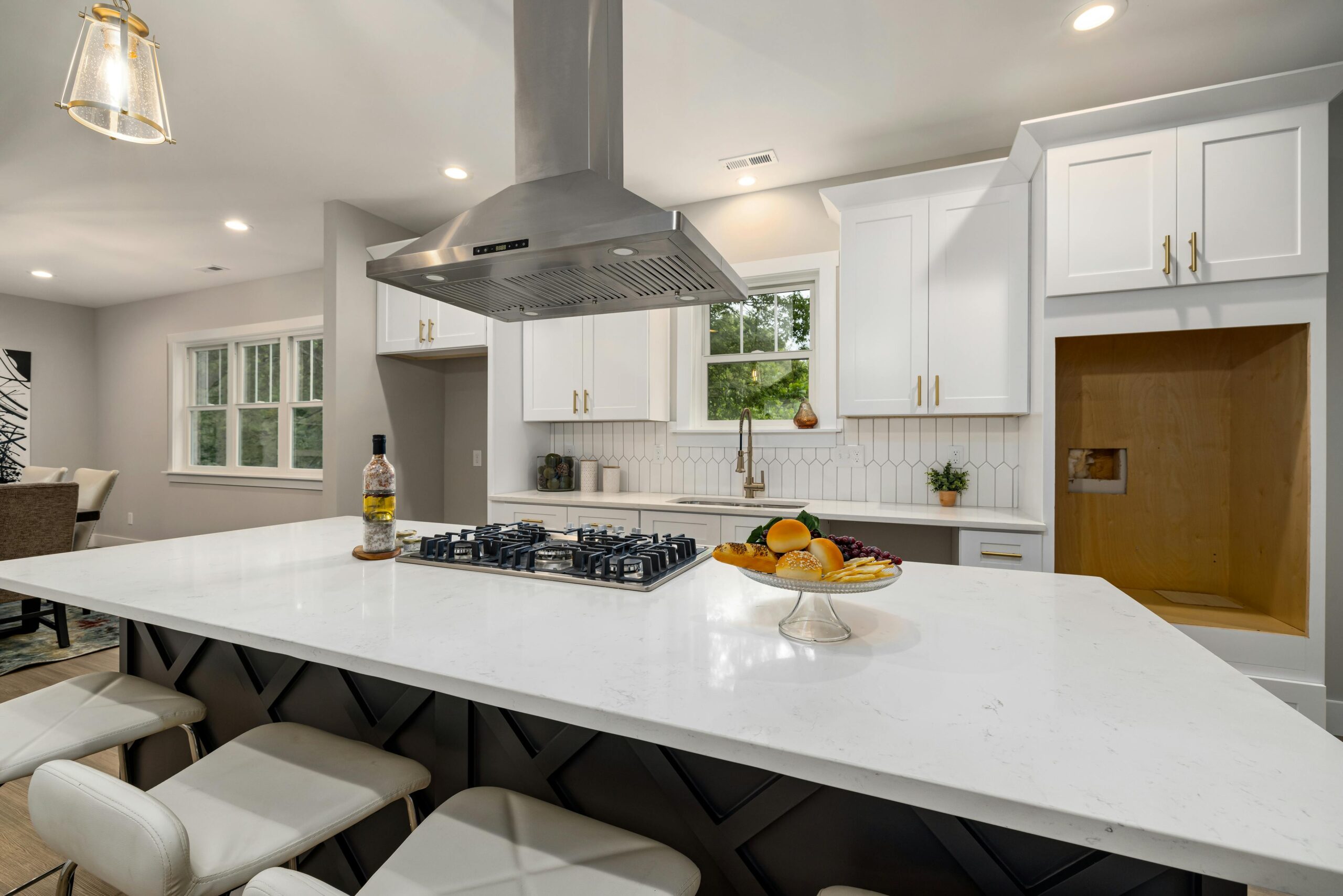
A 36-inch range hood is one of the most important appliances in a modern kitchen, especially for people who cook frequently or use high-heat cooking methods. It removes smoke, grease, heat, and odors from the kitchen, improving air quality and keeping surfaces cleaner.
In larger cooktops and open kitchens, a weak or undersized hood leads to lingering smells, greasy cabinets, and uncomfortable heat buildup. A properly chosen 36-inch range hood solves these issues efficiently.
This guide explains the best 36-inch range hood options, key features to consider, real-world performance factors, installation tips, and insider advice based on practical kitchen design and appliance usage.
1. What Is a 36-Inch Range Hood?
A 36-inch range hood is a kitchen ventilation system designed to match a 36-inch cooktop or stove. It sits above the cooking surface and removes airborne particles through either ducted or ductless systems.
Main Purpose:
- Remove smoke from cooking
- Extract grease particles
- Control kitchen odors
- Reduce heat buildup
- Improve indoor air quality
2. Why Size Matters in Range Hoods
Choosing the correct size is critical for performance.
Why 36-Inch Size Is Popular:
- Matches standard large cooktops
- Provides wider coverage area
- Improves suction efficiency
- Ideal for heavy cooking kitchens
Expert insight:
A hood should ideally be equal to or slightly wider than the cooktop to capture smoke effectively from all burners.
3. Types of 36-Inch Range Hoods
Understanding different types helps in selecting the right model.
3.1 Wall-Mounted Range Hoods
These are installed against a wall above the stove.
Features:
- Visible chimney design
- Strong suction power
- Easy installation
Best for:
- Traditional kitchens
- Open wall stove setups
3.2 Under-Cabinet Range Hoods
Installed under kitchen cabinets.
Features:
- Space-saving design
- Hidden installation
- Simple appearance
Best for:
- Small to medium kitchens
- Compact layouts
3.3 Island Range Hoods
Installed above kitchen islands.
Features:
- Suspended from ceiling
- Stylish centerpiece design
- High airflow capacity
Best for:
- Open kitchens
- Luxury homes
3.4 Insert or Built-In Range Hoods
Hidden inside cabinetry or custom structures.
Features:
- Minimal visible design
- Custom installation
- Strong ventilation system
Best for:
- Modern minimalist kitchens
- Custom kitchen designs
4. Key Features to Look for in a 36-Inch Range Hood
Choosing the right hood depends on performance and usability features.
4.1 Airflow Capacity (CFM)
CFM (Cubic Feet per Minute) measures suction power.
- Low cooking: 300–500 CFM
- Regular cooking: 500–800 CFM
- Heavy cooking: 800+ CFM
Expert insight:
Gas stoves require higher CFM than electric cooktops due to more heat and fumes.
4.2 Noise Level
A powerful hood should still operate quietly.
- Low noise: 40–60 dB
- Medium noise: 60–70 dB
- High noise: 70+ dB
4.3 Filtration System
Common filters include:
- Baffle filters (best for heavy cooking)
- Mesh filters (standard use)
- Charcoal filters (ductless systems)
Insider tip:
Stainless steel baffle filters last longer and are easier to clean than mesh filters.
4.4 Lighting System
Modern range hoods include built-in lighting.
- LED lights are most energy-efficient
- Bright lighting improves cooking visibility
4.5 Speed Settings
Most range hoods offer:
- Low speed
- Medium speed
- High speed
- Boost mode
5. Best 36-Inch Range Hood Picks (Top Categories)
Instead of focusing on a single brand, here are the best-performing categories based on real kitchen use.
5.1 High-Power Professional Range Hoods
Features:
- 900–1200+ CFM power
- Stainless steel body
- Commercial-grade performance
Best for:
- Heavy cooking households
- Frying, grilling, and strong aroma cooking
Insider insight:
High-power hoods are often underused because users don’t install proper ducting, reducing performance significantly.
5.2 Quiet Performance Range Hoods
Features:
- Noise-reduction technology
- Balanced airflow
- Smooth motor operation
Best for:
- Apartments
- Open living-kitchen spaces
5.3 Budget-Friendly Range Hoods
Features:
- Basic suction power
- Simple controls
- Affordable pricing
Best for:
- Light cooking
- Small families
5.4 Premium Smart Range Hoods
Features:
- Touch controls
- Auto-sensing airflow
- Smart home integration
- Sleek glass design
Best for:
- Modern smart kitchens
- Luxury homes
6. Ducted vs Ductless Range Hoods
Understanding ventilation type is critical.
6.1 Ducted Range Hoods
Air is expelled outside the home.
Advantages:
- Strong performance
- Better odor removal
- More efficient
6.2 Ductless Range Hoods
Air is filtered and recirculated.
Advantages:
- Easy installation
- No external vent needed
Limitation:
- Less effective than ducted systems
Expert insight:
Ducted systems always outperform ductless systems in long-term air quality improvement.
7. Installation Tips for 36-Inch Range Hoods
Correct installation affects performance more than brand choice.
7.1 Ideal Mounting Height
- 24–30 inches above cooktop for best efficiency
7.2 Proper Vent Pipe Size
- Larger diameter improves airflow
- Avoid long or bent duct paths
7.3 Secure Wall Support
Range hoods are heavy and need strong mounting brackets.
Insider tip:
Poor duct installation is the most common reason for weak suction performance.
8. Maintenance Guide for Long-Term Performance
Regular maintenance keeps range hoods efficient.
8.1 Cleaning Filters
- Clean every 2–4 weeks
- Use warm water and mild detergent
8.2 Exterior Cleaning
- Wipe stainless steel regularly
- Avoid abrasive cleaners
8.3 Motor Maintenance
- Check airflow every few months
- Ensure no grease buildup inside ducts
9. Common Mistakes When Buying a Range Hood
9.1 Choosing Low CFM for Heavy Cooking
Results in poor smoke removal.
9.2 Ignoring Kitchen Size
Small hoods in large kitchens are ineffective.
9.3 Poor Installation Planning
Bad duct routing reduces performance drastically.
9.4 Overlooking Noise Levels
High noise reduces kitchen comfort.
10. Insider Tips from Kitchen Design Experts
Tip 1: Match Hood Width with Cooktop Size
Never choose smaller width than stove.
Tip 2: Prioritize Ducted Systems When Possible
They offer better long-term performance.
Tip 3: Choose Stainless Steel for Durability
Resists heat, grease, and corrosion.
Tip 4: Use Higher CFM for Open Kitchens
Smoke spreads faster in open layouts.
Tip 5: Clean Filters on Schedule, Not When Dirty
Preventive cleaning improves airflow efficiency.
11. Price Range Overview
36-inch range hoods vary widely in price.
Budget Range:
- Basic models
- Simple suction systems
Mid-Range:
- Balanced performance
- Better materials
Premium Range:
- High CFM
- Smart features
- Designer finishes
Expert insight:
Mid-range models often provide the best balance of performance and value for most households.
12. Future Trends in Range Hood Technology
Kitchen ventilation is evolving rapidly.
Upcoming trends:
- AI-based airflow adjustment
- Ultra-quiet motors
- Gesture control systems
- Energy-efficient smart sensors
- Fully integrated invisible hoods
Conclusion: Choosing the Best 36-Inch Range Hood
A 36-inch range hood is a key investment for any kitchen that values cleanliness, comfort, and air quality. The right model depends on cooking style, kitchen layout, and ventilation system design.
The most important factors include:
- Adequate CFM power
- Proper ducting system
- Low noise operation
- Easy maintenance
- Correct installation height
When chosen correctly, a range hood significantly improves kitchen hygiene, reduces odors, and enhances overall cooking experience.