

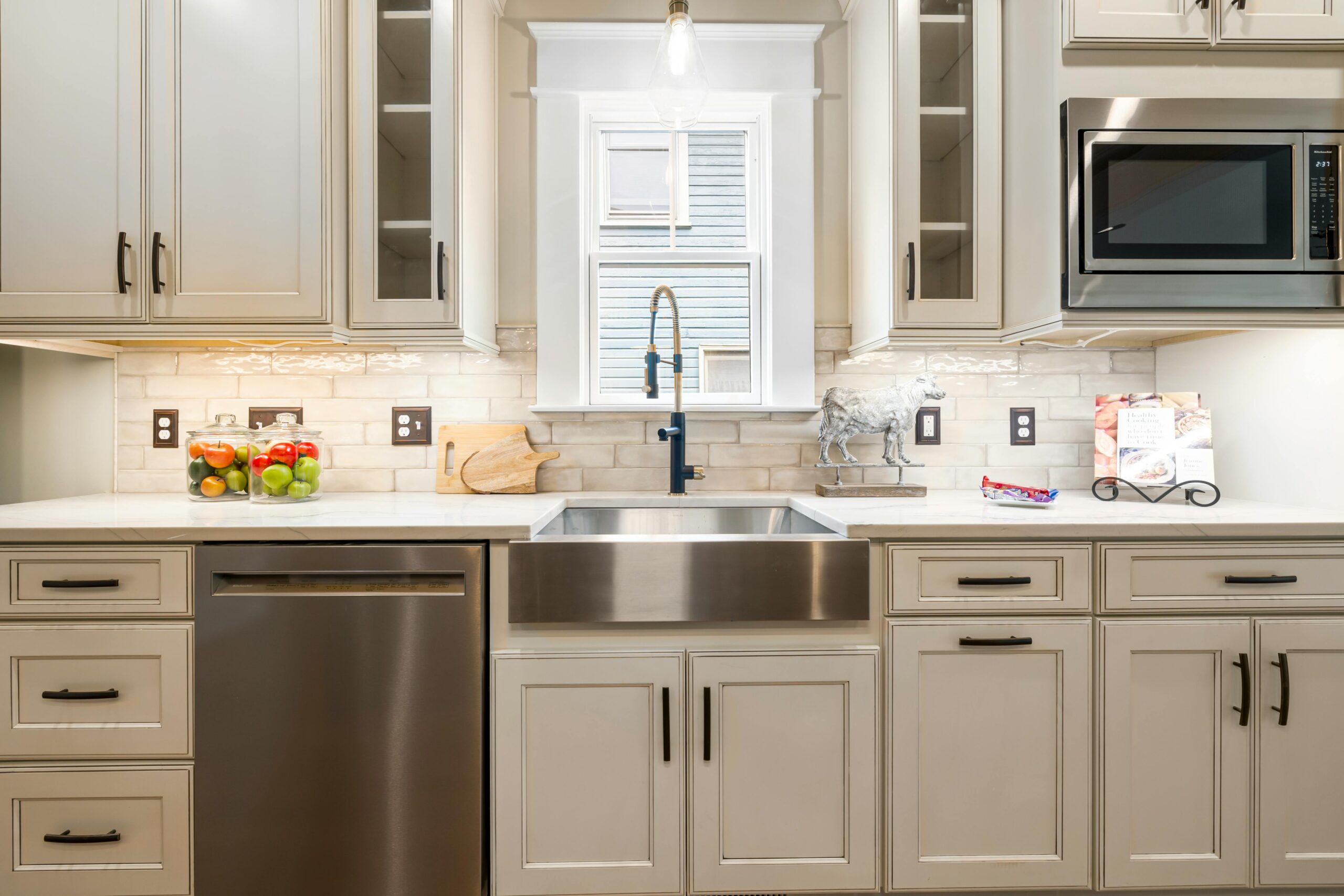
Small kitchens are no longer seen as a limitation. In 2026, they are being redesigned as highly efficient, stylish, and functional spaces. One of the biggest design solutions driving this transformation is micro shaker kitchen cabinets.
These cabinets combine the classic shaker style with compact proportions, making them ideal for apartments, studio homes, and urban kitchens where space is limited but design expectations remain high.
Micro shaker cabinets focus on clean lines, subtle detailing, and practical storage without visual clutter. They create a balanced look that feels modern yet timeless.
This guide explains micro shaker kitchen cabinets in detail, including design principles, materials, layout strategies, benefits, installation tips, and insider advice used by professional kitchen designers.
1. What Are Micro Shaker Kitchen Cabinets?
Micro shaker cabinets are a modern adaptation of traditional shaker-style cabinetry. They maintain the signature framed door design but with slimmer proportions and reduced visual weight.
Key Characteristics:
- Thin frame borders
- Flat recessed center panel
- Minimal decorative detailing
- Compact, space-saving structure
- Clean geometric appearance
Unlike traditional shaker cabinets, micro shaker versions are designed specifically for small kitchens where every inch matters.
2. Why Micro Shaker Cabinets Work Well in Small Kitchens
Small kitchens require smart visual and spatial design. Micro shaker cabinets solve multiple problems at once.
2.1 They Reduce Visual Bulk
Traditional cabinetry can feel heavy in small spaces. Micro shaker cabinets use thin framing that makes the kitchen feel lighter and more open.
2.2 They Improve Space Perception
Slim lines create optical expansion. The kitchen appears larger even when the physical space remains unchanged.
2.3 They Balance Modern and Classic Design
Micro shaker style blends:
- Traditional shaker structure
- Modern minimal aesthetics
This makes it suitable for almost any interior style.
Expert insight:
Interior designers often choose micro shaker cabinets when they want a timeless look that will not feel outdated in 5–10 years.
3. Key Design Features of Micro Shaker Cabinets
Understanding design details helps in choosing the right setup.
3.1 Slim Frame Construction
The defining feature is the reduced frame width.
- Standard shaker: thick frames
- Micro shaker: narrow, refined frames
This creates a more delicate appearance.
3.2 Recessed Center Panel
The center panel remains flat but proportionally smaller.
This keeps:
- Clean geometry
- Simple shadow lines
- Balanced depth
3.3 Handle and Hardware Integration
Micro shaker kitchens often use:
- Slim bar handles
- Hidden handles (push-to-open systems)
- Matte black or brushed metal finishes
Insider tip:
Handle choice has a major impact on style perception. Oversized handles can ruin the “micro” aesthetic.
4. Best Materials for Micro Shaker Cabinets
Material choice determines durability and finish quality.
4.1 MDF with Painted Finish
- Smooth surface
- Cost-effective
- Ideal for painted shaker designs
Best for: modern apartments and budget-conscious kitchens
4.2 Solid Wood
- Premium durability
- Natural grain texture
- Long lifespan
Best for: luxury kitchens and high-end interiors
4.3 Laminated Boards
- Scratch resistant
- Easy maintenance
- Wide color options
Best for: busy households
4.4 Thermofoil Finish
- Seamless coating
- Moisture resistant
- Budget-friendly
Best for: compact kitchens with high humidity exposure
5. Color Trends in Micro Shaker Cabinets (2026)
Color plays a major role in visual space perception.
5.1 White and Off-White
- Expands space visually
- Creates clean aesthetic
- Works with any interior style
5.2 Soft Greys
- Modern and neutral
- Reduces glare
- Adds subtle depth
5.3 Matte Black
- Bold luxury look
- Best for contrast kitchens
- Works well with lighting accents
5.4 Earth Tones
- Beige
- Sand
- Olive green
These tones create warmth in compact spaces.
Expert insight:
Light colors increase perceived kitchen size, while darker tones should be balanced with strong lighting.
6. Layout Ideas for Small Kitchens with Micro Shaker Cabinets
Layout determines functionality more than design.
6.1 Single Wall Kitchen Layout
Best for:
- Studio apartments
- Open-plan living spaces
Features:
- Cabinets on one wall
- Clean workflow
- Maximum space efficiency
6.2 L-Shaped Layout
Best for:
- Small to medium kitchens
Advantages:
- Better corner utilization
- Separate cooking zones
- More storage capacity
6.3 Galley Kitchen Layout
Best for narrow spaces
Features:
- Two parallel cabinet lines
- Efficient cooking workflow
- High storage density
Insider tip:
In small kitchens, vertical storage matters more than horizontal expansion.
7. Storage Optimization in Micro Shaker Cabinets
Storage design is the real strength of micro shaker systems.
7.1 Vertical Storage Units
- Tall cabinets up to ceiling
- Extra shelving space
- Less floor clutter
7.2 Pull-Out Drawers
- Easy access
- Better organization
- Reduces wasted space
7.3 Corner Solutions
- Lazy Susan units
- Pull-out corner trays
These solve dead space problems.
7.4 Hidden Storage Features
- Built-in spice racks
- Cutlery organizers
- Appliance garages
Expert insight:
Well-designed internal storage often adds more value than external cabinet design.
8. Lighting Design for Micro Shaker Kitchens
Lighting affects both usability and design perception.
8.1 Under-Cabinet Lighting
- Improves countertop visibility
- Enhances depth effect
8.2 Warm LED Lighting
- Creates cozy atmosphere
- Reduces harsh shadows
8.3 Ceiling Spotlights
- Even light distribution
- Highlights cabinet texture
Insider tip:
Lighting under upper cabinets makes small kitchens feel more spacious instantly.
9. Common Mistakes in Micro Shaker Kitchen Design
9.1 Overusing Dark Colors
Dark tones without lighting shrink visual space.
9.2 Ignoring Storage Planning
Design without storage leads to clutter.
9.3 Choosing Thick Frames
Breaks the “micro” design balance.
9.4 Poor Hardware Selection
Bulky handles ruin minimal aesthetics.
10. Insider Tips from Kitchen Designers
Tip 1: Keep Cabinet Lines Consistent
Align doors and drawers for a clean grid look.
Tip 2: Use Glass Inserts Sparingly
Too many glass panels reduce the micro aesthetic.
Tip 3: Match Cabinet Color with Wall Tone
This reduces visual fragmentation.
Tip 4: Prioritize Function Over Decoration
Small kitchens should focus on usability first.
Tip 5: Test Layout Before Installation
Use tape marking on floor to visualize spacing.
11. Maintenance Tips for Micro Shake Cabinets
- Clean surfaces weekly with soft cloth
- Avoid harsh chemicals
- Check hinges every few months
- Prevent moisture buildup near sink areas
Proper care ensures long-term durability.
12. Future Trends in Micro Shake Kitchen Design
Kitchen design is evolving toward smarter and cleaner systems.
Upcoming trends:
- Handle-less micro shake hybrids
- Smart storage integration
- Sustainable wood materials
- Matte ultra-smooth finishes
- Modular cabinet systems
The focus is shifting toward compact luxury and maximum efficiency.
Conclusion: Why Micro Shaker Cabinets Are Ideal for Small Modern Kitchens
Micro shaker kitchen cabinets offer a strong balance between style, simplicity, and practicality. They are designed for modern living where space is limited but design expectations are high.
Their success comes from three key strengths:
- Space-saving structure
- Clean and timeless design
- High functional storage capability
When properly planned, micro shaker cabinets transform small kitchens into organized, visually open, and highly efficient spaces without compromising style.