

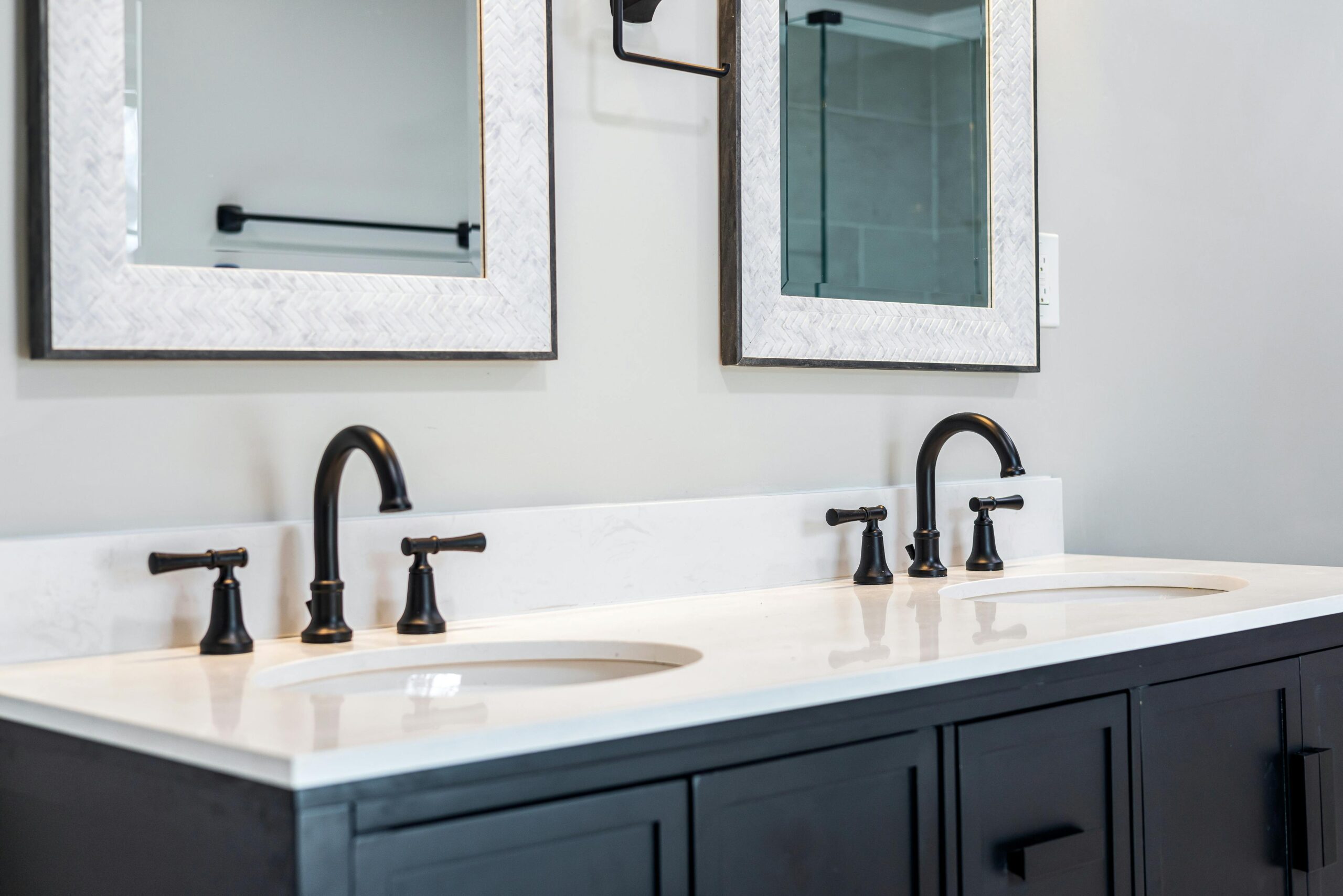
Bathroom vanity height plays a major role in daily comfort, usability, and overall bathroom design. A poorly chosen height can lead to discomfort while washing hands, brushing teeth, or using storage. A well-planned vanity height improves posture, accessibility, and visual balance in the bathroom.
This guide explains standard vanity heights, design variations, ergonomic considerations, and how to choose the right measurement for different users and bathroom styles.
What Is Bathroom Vanity Height?
Bathroom vanity height refers to the distance from the floor to the top surface of the vanity countertop.
Why It Matters
- Affects posture during use
- Impacts accessibility for all users
- Influences bathroom aesthetics
- Determines mirror alignment
Expert Insight
Even a small height difference (2–3 cm) can noticeably affect daily comfort over time.
Standard Bathroom Vanity Heights
There is no single universal height, but industry standards are widely followed.
1. Standard Height
- 85–90 cm (33–36 inches)
- Most common in residential bathrooms
- Balanced for average adult users
2. Comfort Height (Tall Vanities)
- 90–95 cm (36–38 inches)
- Popular in modern homes
- Reduces bending strain
Practical Insight
Comfort-height vanities are increasingly preferred in new construction.
3. Low Height Vanities
- 75–80 cm (30–32 inches)
- Found in older homes or child-friendly spaces
- Requires more bending
Choosing the Right Vanity Height
Selecting the correct height depends on users and bathroom purpose.
1. Based on User Height
General Rule
- Taller users → higher vanity
- Shorter users → standard or lower vanity
Practical Insight
A good reference is: countertop should sit roughly at waist level.
2. Based on Usage Type
Family Bathrooms
- Standard height (85–90 cm)
- Works for multiple users
Master Bathrooms
- Comfort height (90–95 cm)
- Designed for adult convenience
Children’s Bathrooms
- Lower height (70–80 cm)
- Easier access for kids
3. Based on Sink Type
Sink design directly affects total height.
Vessel Sinks
- Sit above countertop
- Require lower vanity base
- Final height increases significantly
Undermount Sinks
- Installed below countertop
- Allow standard vanity height
Expert Insight
Ignoring sink type is one of the most common bathroom design mistakes.
Ergonomics and Comfort Considerations
1. Posture Alignment
- Proper height reduces back strain
- Prevents excessive bending
2. Daily Usage Comfort
- Brushing teeth
- Washing face
- Shaving or grooming
3. Accessibility Needs
- Elderly users benefit from higher vanities
- Mobility considerations may require customization
Practical Insight
Ergonomic design improves long-term usability more than visual style alone.
Vanity Height and Mirror Position
Vanity height directly affects mirror placement.
Standard Rule
- Mirror bottom should be 10–15 cm above countertop
Practical Insight
Incorrect alignment creates visual imbalance and reduces usability.
Bathroom Style and Vanity Height
1. Modern Bathrooms
- Higher vanities (comfort height)
- Floating designs common
2. Traditional Bathrooms
- Standard height
- Closed cabinet designs
3. Luxury Bathrooms
- Custom heights
- Double vanities
- Premium material integration
Expert Insight
Luxury designs prioritize personalization over standard measurements.
Floating Vanities vs Floor-Standing
Floating Vanities
- Mounted on wall
- Adjustable height during installation
- Creates modern, open feel
Floor-Standing Vanities
- Fixed height
- More storage capacity
- Traditional look
Practical Insight
Floating vanities make small bathrooms feel larger.
Common Mistakes in Vanity Height Selection
1. Ignoring User Height
Designing without considering actual users leads to discomfort.
2. Wrong Sink Combination
Mismatch between sink type and vanity height creates usability issues.
3. Prioritizing Style Over Function
Aesthetic choices should not override ergonomic needs.
4. Poor Mirror Alignment
Incorrect mirror placement reduces functionality.
Custom Vanity Height Solutions
When to Customize
- Tall or short household members
- Accessibility requirements
- Unique design layouts
Benefits
- Better comfort
- Improved usability
- Personalized design
Expert Insight
Custom vanities are increasingly common in modern interior design projects.
Measurement Guide (Step-by-Step)
1: Measure User Comfort Level
- Stand naturally
- Measure from floor to wrist or waist
2: Consider Sink Type
- Add or subtract sink height
3: Adjust for Countertop Thickness
- Standard countertop adds 2–5 cm
4: Finalize Total Height
- Base cabinet + countertop + sink
Maintenance Considerations
1. Cleaning Accessibility
- Higher vanities reduce floor splash contact
- Lower vanities are easier for children to reach
2. Durability
- Proper height reduces water splashing on cabinets
3. Plumbing Integration
- Height must align with plumbing systems
Future Trends in Vanity Design
Smart Vanities
- Integrated lighting
- Sensor-based mirrors
- Adjustable height systems
Modular Designs
- Customizable height components
- Flexible installation options
Expert Insight
Future bathrooms will focus more on adaptability than fixed dimensions.
Final Thoughts
Bathroom vanity height is not just a design detail it directly affects comfort, usability, and long-term satisfaction. Choosing the right height depends on user needs, sink type, and bathroom style.
Quick Checklist
- Standard: 85–90 cm
- Comfort: 90–95 cm
- Children: 70–80 cm
- Match sink type carefully
- Align mirror properly
- Consider user height
- Prioritize ergonomics
Conclusion
A well-planned vanity height improves daily routines and enhances bathroom design. Whether for a modern floating setup or a traditional cabinet style, correct measurements ensure both comfort and visual balance in the space.