

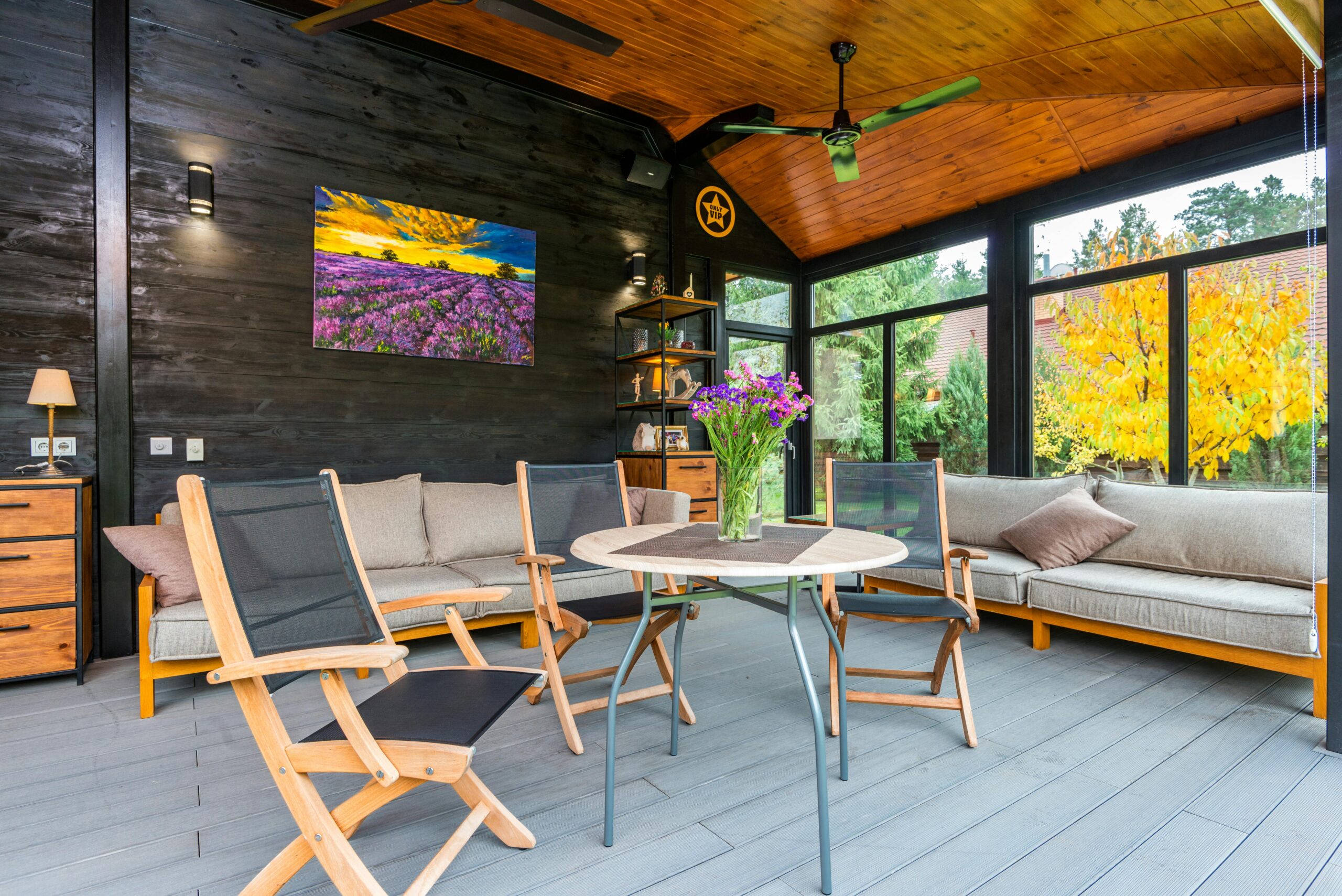
A summerhouse is designed as a seasonal escape space, usually focused on relaxation, natural light, and a strong connection to outdoor surroundings. Whether used as a garden retreat, guest space, or reading room, its interior should feel light, airy, and uncluttered.
This guide explains practical design ideas, materials, layouts, and styling approaches to create a summerhouse that feels both comfortable and visually calm.
What Defines a Summerhouse Interior?
A summerhouse interior is typically simpler and more relaxed than a main home interior. The goal is to create a space that feels open, fresh, and easy to live in.
Core Characteristics
- Natural light dominance
- Light color palettes
- Minimal furniture layout
- Indoor-outdoor connection
- Relaxed, informal styling
Expert Insight
Summerhouse design focuses more on atmosphere than complexity. The feeling of space matters more than the amount of decoration.
1. Light and Airy Color Palettes
Color choice sets the foundation for a calm summerhouse interior.
Best Colors
- Soft white
- Sand beige
- Pale blue
- Light gray
- Muted green
Practical Insight
Lighter colors reflect natural light and make small spaces feel larger.
Accent Colors
- Coastal blues
- Warm terracotta
- Soft pastels
Expert Insight
Accent colors should feel natural, not overpowering, to maintain a relaxed mood.
2. Natural Materials for a Relaxed Feel
Materials play a key role in achieving an organic atmosphere.
Common Choices
- Light wood (pine, oak)
- Rattan and wicker furniture
- Linen and cotton fabrics
- Stone or ceramic accents
Practical Insight
Natural textures create warmth without making the space feel heavy.
3. Furniture Selection and Layout
Summerhouse furniture should be functional, lightweight, and easy to rearrange.
Ideal Furniture Types
- Compact sofas or daybeds
- Foldable chairs
- Small coffee tables
- Built-in benches
Layout Tips
- Keep open walking space
- Avoid overcrowding
- Focus furniture around light sources
Expert Insight
A flexible layout allows the space to adapt for relaxation, reading, or small gatherings.
4. Maximizing Natural Light
Natural light is one of the most important elements in a summerhouse.
Design Features
- Large windows
- Glass doors
- Skylights (if possible)
Practical Insight
The more natural light, the less need for artificial lighting during the day.
Window Treatments
- Lightweight curtains
- Sheer fabrics
- Bamboo blinds
5. Indoor-Outdoor Connection
A summerhouse should feel connected to its surroundings.
Ways to Achieve This
- Sliding glass doors opening to garden
- Outdoor seating areas
- Matching interior and exterior colors
Expert Insight
Blurring the boundary between indoor and outdoor spaces enhances the retreat-like feeling.
6. Flooring Choices
Flooring should be durable yet visually light.
Best Options
- Light wood flooring
- Painted wooden floors
- Natural stone tiles
- Matte finishes
Practical Insight
Glossy or dark flooring can make small summerhouses feel enclosed.
7. Textiles and Soft Furnishings
Soft materials add comfort without overwhelming the design.
Recommended Fabrics
- Linen cushions
- Cotton throws
- Light wool blankets (for cooler seasons)
Styling Tip
Stick to neutral or soft tones for a cohesive look.
8. Decorative Elements
Decor should be minimal and intentional.
Good Choices
- Indoor plants
- Simple ceramic vases
- Woven baskets
- Coastal or nature-inspired artwork
Expert Insight
Too many decorative items reduce the calming effect of the space.
9. Lighting Design for Evenings
While natural light dominates daytime use, evening lighting is equally important.
Lighting Options
- Warm LED bulbs
- Floor lamps
- String lights (for casual ambiance)
- Wall sconces
Practical Insight
Warm lighting enhances relaxation and prevents harsh visual contrast.
10. Creating Functional Zones
Even small summerhouses benefit from defined areas.
Possible Zones
- Reading corner
- Relaxation lounge
- Small dining space
- Hobby or creative area
Expert Insight
Zoning helps the space feel organized without adding physical barriers.
11. Storage Solutions
Storage should be subtle and space-efficient.
Smart Ideas
- Built-in benches with storage
- Wall shelves
- Under-table storage
- Woven storage baskets
Practical Insight
Hidden storage keeps the space visually clean and uncluttered.
12. Coastal and Nature-Inspired Themes
Many summerhouses follow natural design themes.
Popular Styles
- Coastal (blues, whites, natural wood)
- Scandinavian minimalism
- Cottage-style interiors
- Bohemian relaxed style
Insider Insight
Nature-inspired themes work best because they complement outdoor surroundings naturally.
Common Mistakes to Avoid
1. Overdecorating
Too many items make the space feel smaller and less relaxing.
2. Using Dark Colors
Dark tones reduce brightness and make interiors feel heavy.
3. Ignoring Functionality
A summerhouse should remain practical, not just decorative.
4. Blocking Natural Light
Heavy curtains or furniture placement can reduce light flow.
Seasonal Flexibility
A well-designed summerhouse can adapt across seasons.
Summer Use
- Open windows
- Light fabrics
- Minimal layers
Cooler Seasons
- Add throws and rugs
- Use warm lighting
- Close insulation gaps if needed
Expert Insight
Flexibility ensures year-round usability without redesigning the space.
Final Thoughts
A summerhouse interior should feel light, peaceful, and connected to nature. By focusing on natural materials, soft colors, and simple layouts, the space becomes a relaxing retreat that supports rest and creativity.
Quick Checklist
- Light color palette
- Natural materials
- Open layout
- Minimal furniture
- Strong natural light
- Simple decor
- Functional storage
- Indoor-outdoor connection
Conclusion
Designing a summerhouse is about creating a calm escape from everyday life. With the right balance of light, simplicity, and natural textures, the space becomes a comfortable retreat that feels open, refreshing, and timeless.