

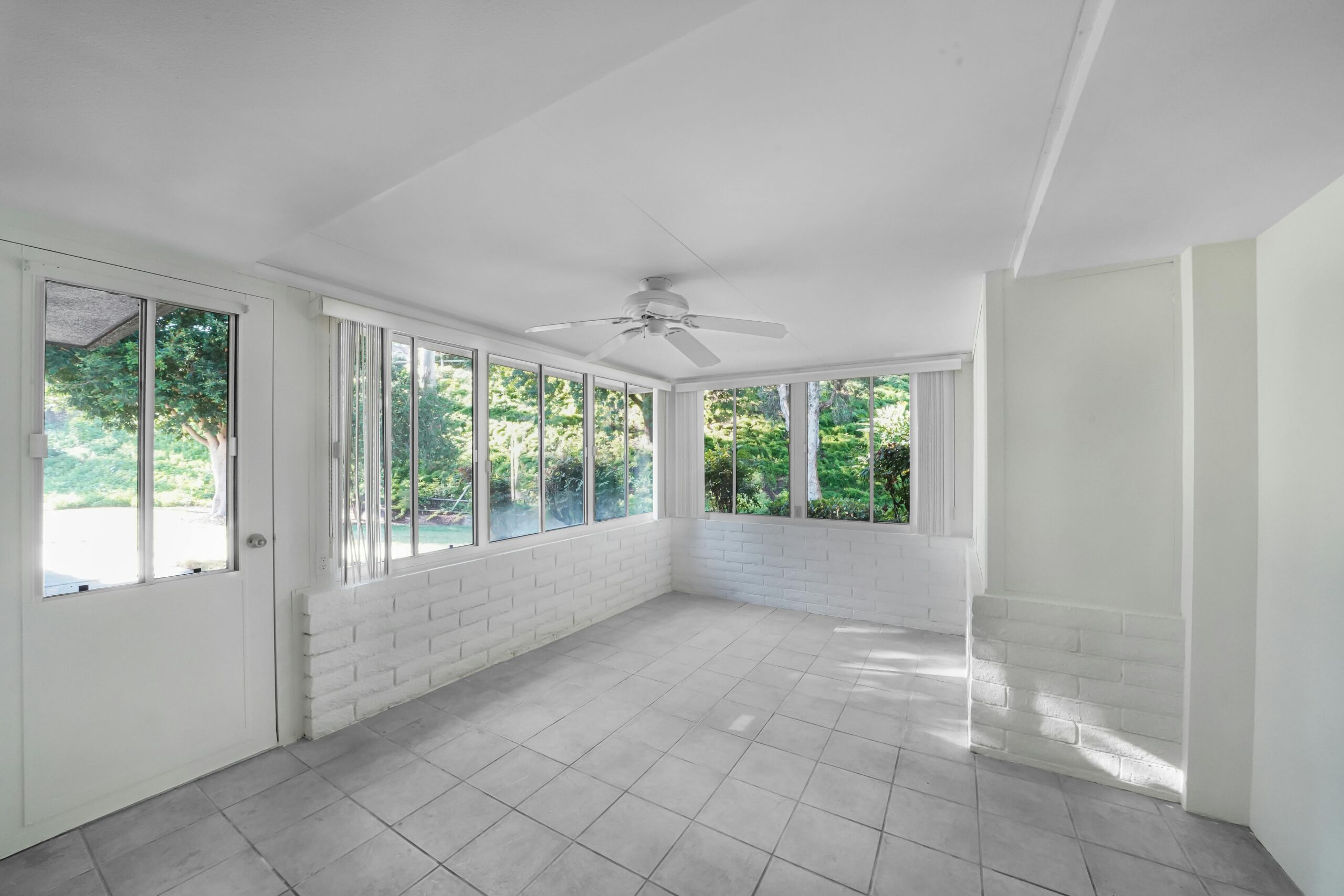
Adding another room to your house is one of the most practical ways to gain space, comfort, and long-term value without moving. Whether your family is growing, you’re working from home, or you simply want more breathing room, a well-planned room addition can transform how your home works for you. This guide is written from real-world experience in residential construction and remodeling. It’s designed to help homeowners understand what room additions involve, how to plan them correctly, what they cost, and how to avoid common mistakes. The language is simple, clear, and useful—no fluff, no vague advice.
What Is a Room Addition?
A room addition is a permanent expansion of your home’s usable living space. It involves constructing a new room or extending an existing one so it becomes part of the main structure.
Unlike temporary solutions or interior remodeling, a room addition changes the footprint or volume of your house. This usually requires permits, structural planning, and coordination between design, engineering, and construction.
Common Examples of Room Additions
- Bedroom additions
- Home office or study rooms
- Family rooms or living room extensions
- Sunrooms or enclosed patios
- In-law suites or guest rooms
- Second-story additions
- Garage conversions (when legally allowed)
Why Homeowners Choose Room Additions
Most people consider a room addition for one of three reasons: space, function, or value.
1. You Need More Space
Families grow. Kids need bedrooms. Parents move in. Storage runs out. A room addition gives you space without changing neighborhoods.
2. Your Home No Longer Fits Your Lifestyle
Working from home, running a small business, or needing a quiet place to study are common reasons people add rooms.
3. You Want to Increase Property Value
When done correctly, room additions often raise resale value—especially bedrooms, bathrooms, and functional living spaces.
Types of Room Additions Explained
Not all room additions are the same. The type you choose affects cost, timeline, and complexity.
Ground-Level Room Addition
This is the most common type. It extends your home outward at ground level.
Best for:
- Bedrooms
- Living rooms
- Home offices
Pros:
- Easier construction
- Lower structural risk
- Flexible design options
Cons:
- Requires yard space
- May affect landscaping
Second-Story Addition
This adds a new room—or rooms—above your existing structure.
Best for:
- Small lots
- Homes where yard space is limited
Pros:
- No loss of yard
- Major increase in living space
Cons:
- Higher cost
- Structural reinforcement needed
- Longer construction time
Bump-Out Addition
A bump-out expands an existing room by a few feet without adding a full foundation.
Best for:
- Expanding kitchens
- Enlarging bathrooms
- Adding closets
Pros:
- Lower cost
- Faster build
- Minimal disruption
Cons:
- Limited size increase
- Not suitable for full rooms
Garage Conversion
Converting an attached garage into living space is often more affordable.
Best for:
- Guest rooms
- Home gyms
- Offices
Pros:
- No new foundation
- Faster approval process in some areas
Cons:
- Loss of parking
- Zoning restrictions may apply
Planning a Room Addition the Right Way
Good planning saves money, time, and stress. Rushed decisions usually lead to regrets.
Step 1: Define the Purpose Clearly
Ask yourself:
- Who will use the room?
- How often?
- What furniture or features are needed?
A bedroom has very different requirements than a home office or family room.
Step 2: Check Local Zoning and Building Codes
Before you design anything, confirm:
- Setback requirements
- Height restrictions
- Lot coverage limits
- Permit requirements
Skipping this step can stop your project entirely.
Step 3: Set a Realistic Budget
Room additions cost more than most homeowners expect. Budget for:
- Design and planning
- Permits
- Construction labor
- Materials
- Utility extensions
- Unexpected issues
A good rule: add a 10–20% buffer for surprises.
Step 4: Work With the Right Professionals
You may need:
- An architect or designer
- A structural engineer
- A licensed contractor
Experienced professionals prevent costly mistakes and code violations.
How Much Does a Room Addition Cost?
Costs vary widely based on location, size, and finishes. However, understanding the ranges helps with planning.
Average Cost Breakdown
- Basic room addition: Moderate cost
- Mid-range addition: Higher finish quality, better insulation
- Luxury addition: Custom design, high-end materials
Key Cost Factors
- Size of the room
- Foundation work
- Roofing changes
- Electrical and plumbing needs
- Windows and doors
- Interior finishes
Bedrooms and bathrooms cost more than simple living spaces due to utilities.
Design Tips for a Seamless Room Addition
A room addition should feel like it was always part of the house.
Match the Existing Architecture
- Use similar rooflines
- Match siding and exterior finishes
- Align window styles
A mismatched addition can hurt resale value.
Focus on Natural Light
- Add windows on multiple sides
- Consider skylights where possible
- Avoid dark, boxed-in designs
Natural light makes new spaces feel larger and more inviting.
Think About Traffic Flow
- Avoid awkward entry points
- Maintain logical room connections
- Don’t block existing walkways
Good flow improves daily comfort.
Structural and Technical Considerations
Room additions are not just cosmetic projects.
Foundation Requirements
Most additions require:
- Concrete slab
- Crawl space
- Full basement foundation
Soil conditions and load requirements determine the type.
Roofing Integration
Your new roof must connect properly to the old one to avoid:
- Leaks
- Ice dams
- Structural stress
This is one area where cutting corners causes major problems.
Electrical and Plumbing
Adding a room often means:
- Extending electrical circuits
- Adding outlets and lighting
- Installing HVAC ducts
- Running plumbing (if applicable)
All work must meet safety codes.
Permits and Inspections: What to Expect
Most room additions require permits. This protects you and future buyers.
Common Inspections
- Foundation
- Framing
- Electrical
- Plumbing
- Final inspection
Skipping permits can lead to fines, resale issues, and insurance problems.
How Long Does a Room Addition Take?
Timelines depend on size and complexity.
Typical Timeline
- Planning and design: Several weeks
- Permits and approvals: Several weeks
- Construction: A few months
Weather, inspections, and material availability can affect schedules.
Living in Your Home During Construction
Many homeowners stay in their house during the build.
Tips to Reduce Disruption
- Set clear work hours
- Seal off construction areas
- Protect furniture and floors
- Expect noise and dust
Good communication with your contractor makes a big difference.
Common Mistakes to Avoid
Underestimating Costs
Low estimates often ignore structural and utility expenses.
Poor Design Choices
Rooms that feel disconnected or awkward reduce usability.
Hiring the Cheapest Contractor
Low bids often lead to poor workmanship or delays.
Ignoring Future Needs
Plan for long-term use, not just current needs.
How Room Additions Affect Home Value
Not all additions add equal value.
High-Value Additions
- Bedrooms
- Bathrooms
- Functional living spaces
Lower Return Additions
- Overly customized rooms
- Luxury spaces in modest neighborhoods
Quality workmanship matters as much as room type.
Energy Efficiency and Sustainability
Modern room additions should be energy-efficient.
Smart Choices
- High-quality insulation
- Energy-efficient windows
- LED lighting
- Proper HVAC sizing
These reduce utility costs and improve comfort.
Financing a Room Addition
Many homeowners finance room additions rather than paying cash.
Common Options
- Home equity loans
- Home equity lines of credit
- Renovation loans
Choose a method that fits your financial situation and timeline.
Is a Room Addition Right for You?
A room addition makes sense if:
- You like your location
- You need long-term space
- Your budget supports it
If you plan carefully and build responsibly, it’s often one of the best home investments you can make.
Final Thoughts: Building Space That Works for You
Adding another room to your house is more than a construction project—it’s a lifestyle upgrade. When planned with care, built with quality, and designed with purpose, a room addition improves daily living, boosts comfort, and increases long-term value.
Take your time. Ask the right questions. Work with experienced professionals. The result should feel natural, functional, and truly part of your home—not an afterthought.