

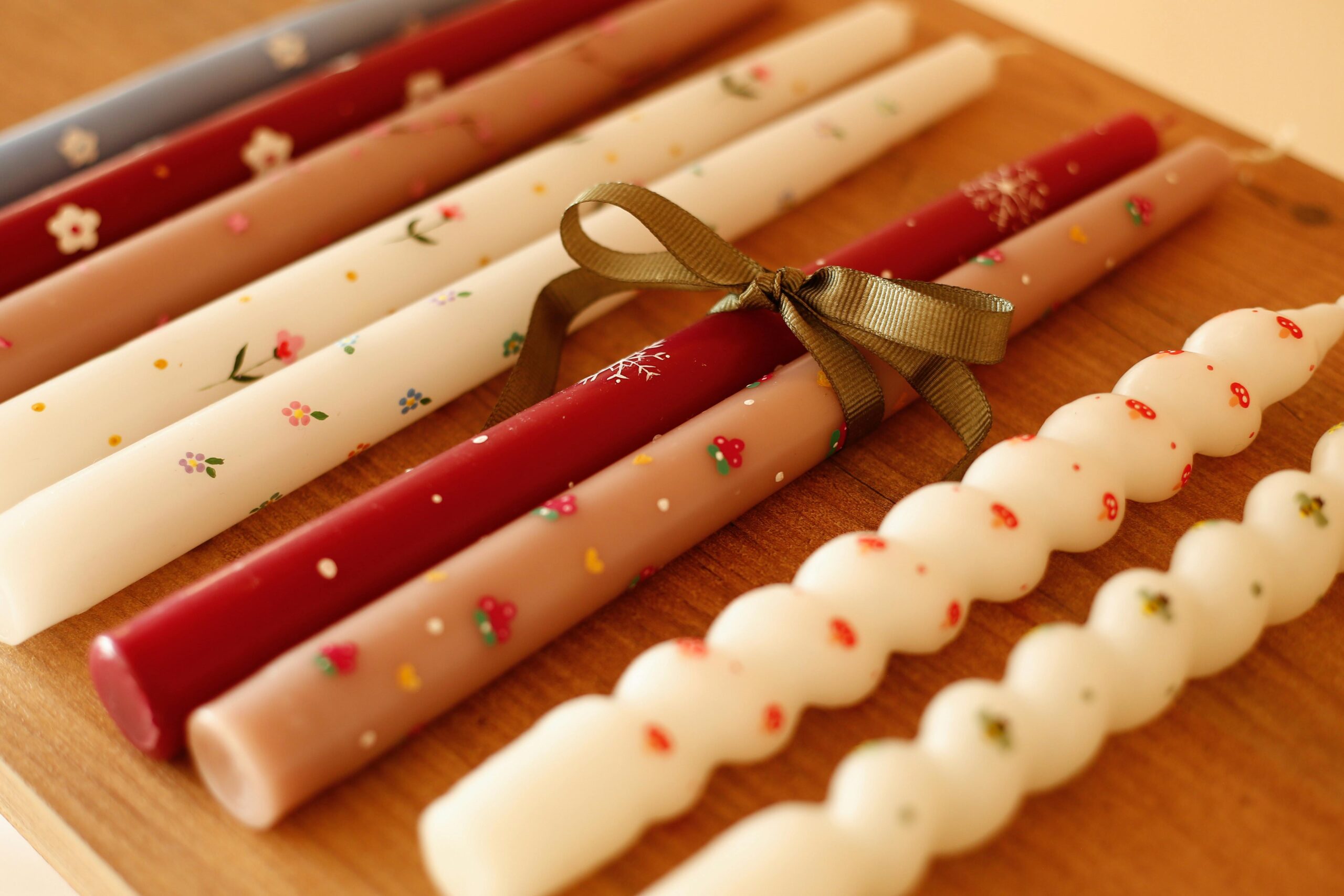
Luxury candles are no longer simple home fragrance products. They have become a mix of interior design, lifestyle identity, and sensory branding. In 2026. Luxury Candle Designs is directly connected to how premium brands position themselves in the market.
Buyers do not only smell a candle anymore. They evaluate the glass quality, wax texture, lid design, packaging unboxing experience, and even how the candle fits into their room aesthetics.
Luxury candle brands now compete with fashion houses and premium home décor labels. That shift has raised expectations. Design is not optional it is the product itself.
This article breaks down the most important luxury candle design trends of 2026, including packaging direction, aesthetic strategies, fragrance alignment, and insider industry insights used by high-end brands.
1. The Core Shift in Luxury Candle Designs Market (2026 Perspective)
The biggest change in 2026 is simple: candles are now treated as collectible design objects.
Earlier, the focus was mostly on scent. Now, buyers evaluate three layers:
- Visual identity (jar, label, shape)
- Emotional experience (branding, story)
- Functional luxury (burn quality, wax performance)
Premium customers expect candles to look like art pieces even when they are unlit.
Brands that fail to design for visual impact lose attention before scent testing even begins.
2. Luxury Candle Designs Trends Dominating 2026
2.1 Sculptural Candle Forms
Straight cylindrical jars are becoming less dominant in luxury segments. Instead, sculptural shapes are trending:
- Asymmetrical glass containers
- Stone-like ceramic jars
- Architectural geometry (cube, prism, oval cuts)
- Hand-blown imperfect glass
The goal is to make candles look like gallery pieces rather than retail products.
Insider insight: Many luxury brands now collaborate with ceramic artists instead of packaging factories to create limited-edition vessels.
2.2 Minimalist Luxury with Material Depth
Minimalism is still strong in 2026, but it is no longer “plain minimalism.”
It has evolved into material-rich minimalism, where design is simple but texture carries the luxury feel.
Common combinations:
- Matte frosted glass + brushed brass lid
- Black ceramic + embossed logo only
- Clear glass + thick weighted base
- Stone finish + soft linen label
The design does not shout it quietly feels expensive.
2.3 Transparent Storytelling Labels
Luxury brands are moving away from overly decorated labels.
Instead, labels now focus on:
- Brand origin story in short lines
- Scent inspiration (location, memory, mood)
- Ingredient transparency
Typography is clean, often serif or modern sans-serif, spaced with air.
A strong trend is “micro-story labels”small text that feels editorial rather than commercial.
2.4 Earth-Inspired Luxury Aesthetics
Nature-inspired luxury is one of the strongest 2026 directions.
Expect to see:
- Sand-toned wax colors
- Clay, stone, and mineral textures
- Organic uneven edges in containers
- Raw wood lids with natural grain
This style connects luxury with authenticity.
It also aligns with sustainability expectations, which are now essential for premium buyers.
2.5 Color Psychology in Candle Designs
Luxury candles in 2026 use color strategically instead of decoration.
Popular palette directions:
- Smoke grey and charcoal (modern luxury)
- Ivory and bone white (timeless premium feel)
- Deep emerald and forest tones (nature luxury)
- Soft amber and honey (warm emotional branding)
- Matte black (high-end exclusivity)
Color is now used to communicate scent personality before the candle is even opened.
3. Packaging Designs Evolution: The Real Luxury Experience
Packaging has become as important as the candle itself.
In luxury positioning, unboxing is part of the product experience.
3.1 Magnetic Closure Rigid Boxes
High-end brands now prefer rigid boxes with:
- Magnetic lids
- Soft-touch coating
- Embossed logos
- Hidden scent cards inside
This creates a premium tactile experience.
3.2 Layered Unboxing Experience
Luxury candle packaging now follows a structured reveal:
- Outer protective sleeve
- Brand box
- Protective fabric wrap
- Candle vessel
- Fragrance note card
Each layer builds anticipation.
Insider insight: Brands test “unboxing time” just like user experience in apps. Ideal luxury unboxing is 20–45 seconds.
3.3 Sustainable Luxury Packaging
Eco-luxury is no longer optional.
Brands are shifting toward:
- Recyclable molded pulp inserts
- Soy-based inks
- Reusable glass jars
- Seed paper inserts
The key is not just sustainability it is making sustainability look premium.
3.4 Multi-Use Packaging Concept
One major trend is designing packaging that lives beyond the product:
- Candle jars used as storage containers
- Boxes repurposed as decor organizers
- Lids designed as small trays or coasters
Luxury buyers appreciate long-term usability.
4. Fragrance and Design Alignment Strategy
A strong luxury candle is not designed separately from its fragrance. Both must reflect the same identity.
Example alignment logic:
- Citrus scent → bright transparent glass + white minimal design
- Woody scent → dark ceramic + matte textures
- Floral scent → soft pastel tones + curved shapes
- Amber scent → warm amber glass + gold detailing
Brands that mismatch scent and design lose emotional consistency.
5. Typography and Branding in Luxury Candles
Typography is a silent luxury signal.
2026 typography trends:
- Serif fonts with high contrast strokes
- Ultra-clean sans serif for modern brands
- Wide letter spacing for premium feel
- Small caps for minimal elegance
Logos are often reduced in size but increased in precision.
Insider insight: Luxury brands now spend more time testing letter spacing than logo design itself.
6. Interior Design Integration: Candles as Decor Objects
Luxury candles are now designed based on interior design trends, not just fragrance trends.
6.1 Home Styling Compatibility
Designers consider:
- Marble interiors → black/white contrast candles
- Scandinavian homes → soft neutral tones
- Industrial lofts → raw metal + concrete textures
- Luxury apartments → gold accents + glass clarity
The candle must “blend or elevate,” never clash.
6.2 Statement Pieces
Some candles are intentionally oversized or sculptural to act as:
- Coffee table centerpieces
- Shelf focal points
- Bathroom luxury accents
These candles often sacrifice practicality for visual dominance.
7. Sustainability as a Luxury Standard (Not a Trend)
In 2026, sustainability is no longer a marketing advantage it is a requirement.
Luxury buyers now expect:
- Clean-burning wax (soy, coconut blends)
- Lead-free cotton wicks
- Refillable containers
- Low-impact sourcing
But the key difference is presentation.
Luxury sustainability must still look premium, not “eco-basic.”
8. Insider Tips from Luxury Candle Industry Practices
Tip 1: Weight Creates Perceived Luxury
Heavier jars feel more expensive, even if materials are similar.
Tip 2: Lid Design Impacts Perceived Value More Than Label
Metal or stone lids increase perceived pricing power instantly.
Tip 3: Limited Edition Runs Drive Demand
Small batches (100–1000 units) create urgency and exclusivity.
Tip 4: Scent Naming Matters More Than Scent Composition
Names like “Midnight Archive” or “White Ember” sell better than technical scent descriptions.
Tip 5: Lighting Performance is a Silent Review Factor
Even luxury candles fail if:
- tunneling occurs
- uneven burn happens
- weak scent throw exists
Design cannot hide performance issues.
9. Common Mistakes Luxury Candle Brands Make
9.1 Overdesigning the Label
Too much detail reduces luxury perception.
9.2 Ignoring Vessel Reusability
Modern buyers prefer reusable containers.
9.3 Copying Competitor Aesthetics
Luxury markets reward originality, not imitation.
9.4 Weak Packaging Experience
Even a great candle loses value with poor unboxing design.
10. Future of Luxury Candle Designs Beyond 2026
The next stage of evolution is already forming:
- AI-personalized candle scents
- Interactive packaging (QR storytelling, AR labels)
- Modular candle systems (stackable fragrance layers)
- Smart candles with burn tracking
Luxury candles are slowly merging into tech-driven lifestyle products.
Conclusion: What Defines True Luxury Candle Designs in 2026
Luxury candle design in 2026 is not defined by decoration. It is defined by intention.
Every detail matters:
- Vessel weight and texture
- Packaging experience
- Scent and visual harmony
- Material honesty
- Emotional storytelling
The strongest brands are those that treat candles as sensory architecture, not simple home fragrance products.
Design is no longer a support element it is the main product language.