

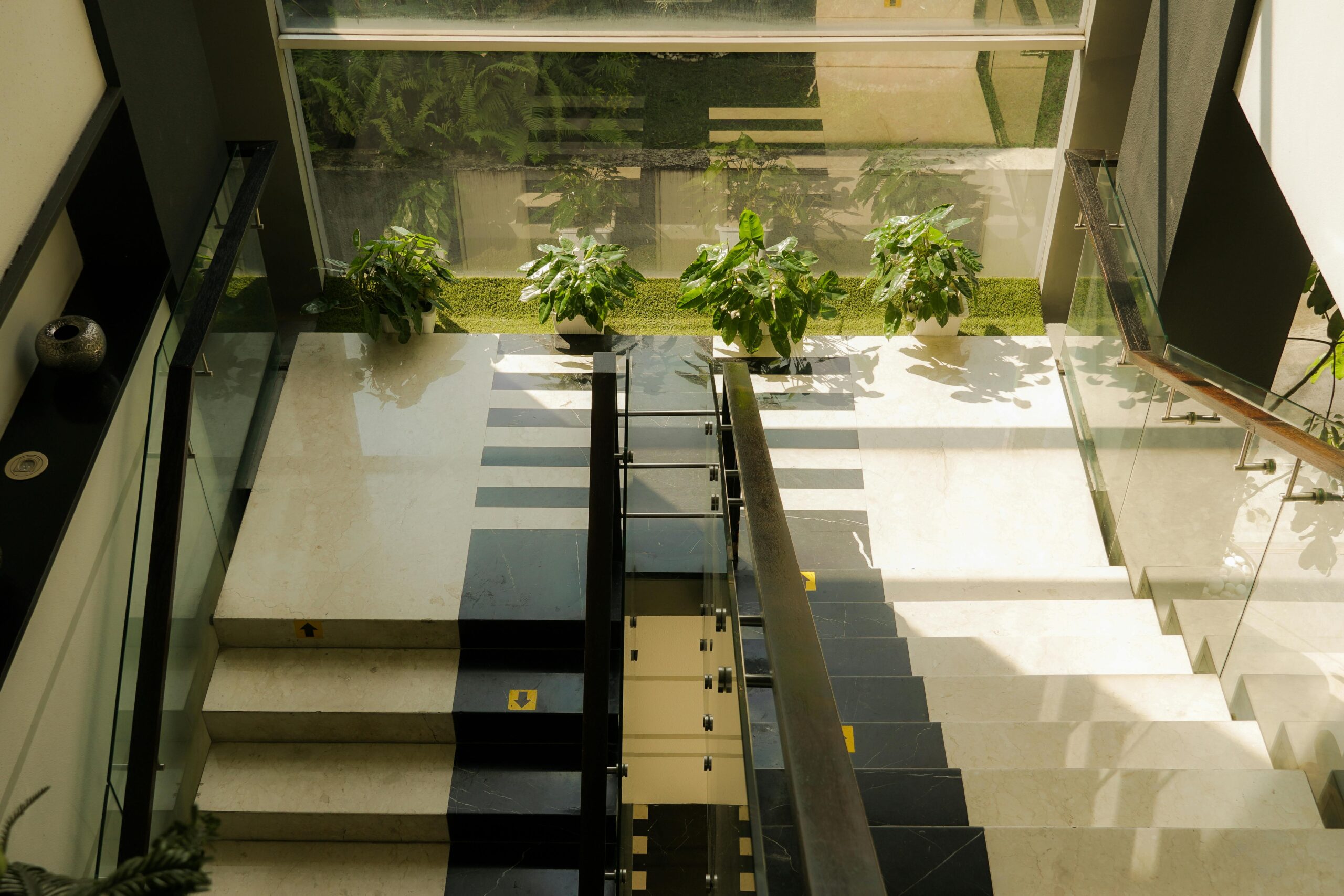
Interiorscaping is more than decorating with plants. It is a thoughtful design practice that blends nature into indoor spaces in a way that improves health, comfort, and visual appeal. When done right, interiorscaping turns a house into a living, breathing environment rather than just a place to live.
In this in-depth guide, you will learn exactly what interiorscaping in a house means, how it works, why it matters, and how to apply it correctly in real homes. This article is written from an expert, practical perspective—clear, human-friendly, and focused on real value rather than fluff.
Table of Contents
- Understanding Interiorscaping
- What Interiorscaping Means in a Residential Home
- Interiorscaping vs. Interior Decorating
- Why Interiorscaping Matters for Modern Homes
- The Core Elements of Residential Interiorscaping
- Types of Plants Used in Home Interiorscaping
- Psychological and Emotional Benefits
- Health and Wellness Advantages
- How Interiorscaping Improves Indoor Air Quality
- Interiorscaping for Different Areas of the House
- Lighting Considerations in Home Interiorscaping
- Containers, Planters, and Design Balance
- Maintenance and Care in Residential Interiorscaping
- Common Interiorscaping Mistakes to Avoid
- Interiorscaping Styles for Different Home Aesthetics
- Cost of Interiorscaping a House
- DIY Interiorscaping vs. Hiring a Professional
- Sustainable and Eco-Friendly Interiorscaping
- Future Trends in Residential Interiorscaping
- Final Thoughts: Is Interiorscaping Worth It?
1. Understanding Interiorscaping
Interiorscaping is the art and science of designing indoor environments using living plants and natural elements. It is not random plant placement. It involves planning, design principles, plant selection, lighting, and long-term care.
In homes, interiorscaping focuses on creating harmony between architecture, furniture, and living greenery. The goal is to enhance comfort, health, and visual balance without overwhelming the space.
At its core, interiorscaping answers one simple question:
How can nature live indoors in a healthy and beautiful way?
2. What Interiorscaping Means in a Residential Home
When applied to a house, interiorscaping becomes deeply personal. Unlike offices or malls, homes reflect daily routines, emotional needs, and lifestyle habits.
Residential interiorscaping includes:
- Selecting plants that match light levels and room size
- Designing layouts that feel natural and uncluttered
- Supporting wellness, relaxation, and focus
- Creating visual flow from room to room
In a house, interiorscaping is not about showing off. It is about living better.
3. Interiorscaping vs. Interior Decorating
Many people confuse interiorscaping with interior decorating. They are related, but they are not the same.
Interior decorating focuses on:
- Furniture
- Color schemes
- Fabrics and accessories
- Visual style
Interiorscaping focuses on:
- Living plants
- Natural balance
- Growth patterns
- Environmental conditions
A decorator may add plants for looks. An interiorscaper designs a living system that continues to thrive over time.
4. Why Interiorscaping Matters for Modern Homes
Modern homes are often sealed, climate-controlled, and screen-heavy. While convenient, this can disconnect people from nature.
Interiorscaping helps solve this problem by:
- Reintroducing natural elements indoors
- Softening hard architectural lines
- Reducing visual stress
- Creating calming environments
Research consistently shows that people feel more relaxed and focused in spaces that include natural greenery. Interiorscaping brings those benefits directly into the home.
5. The Core Elements of Residential Interiorscaping
Successful interiorscaping in a house depends on five key elements:
1. Plant Selection
Choosing plants that fit the space, light, and homeowner lifestyle.
2. Design Integration
Plants must complement furniture, colors, and room layout.
3. Environmental Conditions
Light, temperature, humidity, and airflow matter.
4. Containers and Placement
Planters must match scale, style, and plant health needs.
5. Maintenance Planning
Every plant needs care. Smart interiorscaping plans for it upfront.
Ignoring any one of these leads to failure over time.
6. Types of Plants Used in Home Interiorscaping
Not all plants belong indoors. Interiorscaping relies on species that adapt well to indoor conditions.
Common categories include:
Low-Light Plants
Ideal for bedrooms, hallways, and bathrooms with limited sun.
Medium-Light Plants
Perfect for living rooms and dining areas.
Bright-Light Plants
Best for sunrooms, windows, and open kitchens.
Statement Plants
Large floor plants that act as visual anchors in a room.
The key is matching plant needs to real light—not what looks bright to the human eye.
7. Psychological and Emotional Benefits
One of the strongest reasons homeowners choose interiorscaping is how it makes them feel.
Living plants:
- Reduce stress and anxiety
- Improve mood
- Increase feelings of comfort and safety
- Create a sense of care and responsibility
Homes with interiorscaping often feel calmer and more welcoming. This is especially valuable in high-stress lifestyles or urban settings.
8. Health and Wellness Advantages
Interiorscaping supports wellness in subtle but meaningful ways.
Benefits include:
- Reduced mental fatigue
- Improved focus and productivity
- Better sleep quality in bedrooms
- Lower perceived noise and visual clutter
Plants create a softer sensory environment, which helps the nervous system relax.
9. How Interiorscaping Improves Indoor Air Quality
While plants are not a replacement for ventilation, they do support healthier indoor air.
They help by:
- Absorbing carbon dioxide
- Increasing humidity in dry spaces
- Trapping airborne dust on leaf surfaces
In homes with air conditioning or heating systems, interiorscaping adds natural balance to the indoor environment.
10. Interiorscaping for Different Areas of the House
Living Room
This is the best place for statement plants and layered greenery. Use height variation to add depth.
Kitchen
Herbs and compact plants work well. Avoid cluttering food prep areas.
Bedroom
Choose calming, low-maintenance plants. Avoid overly fragrant varieties.
Bathroom
Humidity-loving plants thrive here if light is available.
Entryway
First impressions matter. A well-placed plant creates instant warmth.
Each room has unique needs. Good interiorscaping respects those differences.
11. Lighting Considerations in Home Interiorscaping
Light is the most misunderstood part of interiorscaping.
Key points:
- Bright rooms are not always bright for plants
- Window direction affects plant health
- Artificial grow lights can support dark areas
A successful interiorscaping plan evaluates light honestly, not optimistically.
12. Containers, Planters, and Design Balance
Planters are part of the design, not an afterthought.
Good container choices:
- Match the room’s style
- Provide proper drainage
- Are scaled correctly for the plant
Too small, and plants suffer. Too large, and the room feels heavy.
Balance matters more than decoration.
13. Maintenance and Care in Residential Interiorscaping
Interiorscaping only works if plants stay healthy.
Maintenance includes:
- Watering schedules
- Pruning and cleaning leaves
- Monitoring pests
- Replacing struggling plants
For busy homeowners, low-maintenance designs are essential. There is no shame in choosing easy plants.
14. Common Interiorscaping Mistakes to Avoid
Many homeowners fail at interiorscaping due to simple errors:
- Overwatering
- Choosing plants based on looks only
- Ignoring light conditions
- Overcrowding spaces
- Forgetting long-term growth
Good interiorscaping plans ahead instead of reacting later.
15. Interiorscaping Styles for Different Home Aesthetics
Interiorscaping adapts to many design styles:
Modern Homes
Clean lines, minimal plants, strong structure.
Traditional Homes
Balanced symmetry, classic containers.
Bohemian Spaces
Layered greenery, organic flow.
Minimalist Interiors
Few plants, strong placement, visual calm.
Plants should support the style—not fight it.
16. Cost of Interiorscaping a House
Costs vary based on:
- Number of plants
- Plant size
- Container quality
- Maintenance needs
Simple interiorscaping can be affordable. Large statement designs cost more but offer lasting impact.
Think of it as a long-term investment, not a one-time purchase.
17. DIY Interiorscaping vs. Hiring a Professional
DIY Interiorscaping
Best for:
- Small homes
- Simple layouts
- Plant lovers with time to learn
Professional Interiorscaping
Best for:
- Large homes
- Complex lighting
- Design-focused results
Professionals bring experience, plant knowledge, and long-term planning.
18. Sustainable and Eco-Friendly Interiorscaping
Modern interiorscaping focuses on sustainability.
Eco-friendly practices include:
- Using locally grown plants
- Choosing durable containers
- Avoiding chemical treatments
- Designing for long plant life
Sustainable interiorscaping supports both home and environment.
19. Future Trends in Residential Interiorscaping
Interiorscaping continues to evolve.
Growing trends include:
- Biophilic design integration
- Smart plant monitoring
- Vertical indoor gardens
- Natural material planters
Homes are becoming greener by design, not decoration.
20. Final Thoughts: Is Interiorscaping Worth It?
Interiorscaping in a house is not a trend—it is a lifestyle upgrade.
It:
- Improves comfort
- Supports wellness
- Enhances beauty
- Strengthens the connection to nature
When designed thoughtfully, interiorscaping becomes part of how a home feels, not just how it looks.
If you want a healthier, calmer, and more welcoming home, interiorscaping is absolutely worth it.
Key Takeaway
Interiorscaping in a house is the intentional design and care of indoor plants to improve health, comfort, and visual harmony.
Done correctly, it transforms a house into a living environment that supports both body and mind.